
Egg Freezing in Nepal: Complete Guide to Fertility Preservation
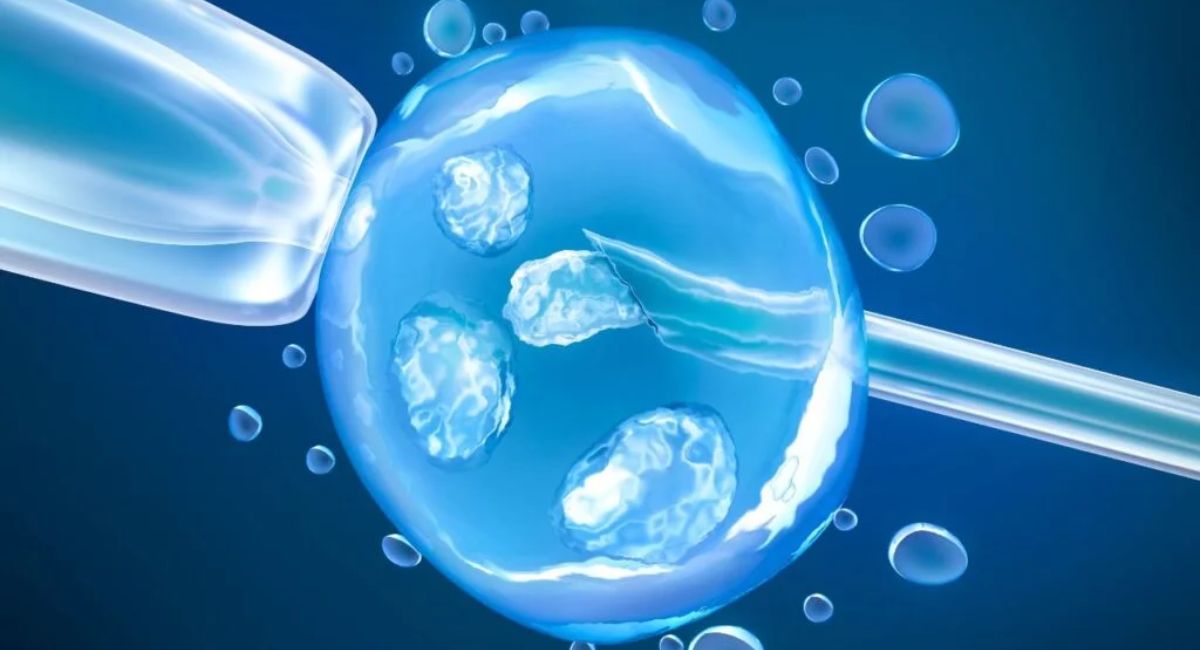
Egg Freezing in Nepal: Everything You Need to Know About Preserving Your Fertility
In recent years, more women are choosing to take control of their reproductive future through egg freezing, also known as oocyte cryopreservation. Whether the decision is driven by career goals, medical conditions, the absence of a suitable partner or simply the desire to have more flexibility when planning a family, egg freezing has become an increasingly popular fertility preservation option around the world.
For many women, deciding when to have children is not always straightforward. Personal ambitions, higher education, financial stability, health concerns and changing life circumstances often influence family planning. While these choices continue to evolve, one biological reality remains unchanged—female fertility naturally declines with age. As women grow older, both the quantity and quality of eggs decrease, making conception more challenging and increasing the risk of pregnancy complications.
Egg freezing offers an opportunity to preserve younger, healthier eggs for future use. By freezing eggs during the reproductive years, women may improve their chances of achieving pregnancy later in life when natural fertility has declined. Thanks to advancements in vitrification technology, frozen eggs now have significantly better survival rates than ever before, making egg freezing a reliable option for fertility preservation.
If you are considering egg freezing in Nepal, understanding how the procedure works, who should consider it, the ideal age, expected success rates, potential risks and associated costs can help you make an informed decision. While egg freezing does not guarantee a future pregnancy, it provides many women with additional reproductive options and greater peace of mind.
This comprehensive guide explains everything you need to know about egg freezing in Nepal, including the procedure, benefits, limitations, success rates, preparation, recovery and frequently asked questions. Whether you are planning for the future or facing a medical condition that could affect fertility, this article will help you understand whether egg freezing is the right choice for you.
What Is Egg Freezing?
Egg freezing, medically known as oocyte cryopreservation, is a fertility preservation procedure that allows women to store their unfertilized eggs for future use. The eggs are collected from the ovaries, frozen using advanced cryopreservation techniques and safely stored until the woman is ready to start or expand her family.
Unlike embryo freezing, where eggs are fertilized with sperm before being frozen, egg freezing preserves the eggs in their unfertilized state. This gives women greater flexibility because they can decide later whether and when to use the frozen eggs, as well as choose the sperm source at that time.
Over the past decade, egg freezing has become an increasingly popular option for women who want to preserve their fertility before age-related decline or before undergoing medical treatments that may affect ovarian function. Improvements in vitrification—a rapid freezing technique—have dramatically increased the survival rate of frozen eggs, making egg freezing a safe and effective fertility preservation option.
When a woman decides to become pregnant in the future, the frozen eggs are carefully thawed in the laboratory. The surviving eggs are then fertilized using In Vitro Fertilization (IVF) and the resulting embryo is transferred into the uterus in an attempt to achieve pregnancy.
It is important to understand that egg freezing is not a guarantee of future pregnancy. Instead, it is a proactive step that may increase the likelihood of having a biological child later in life. The chances of success depend on several factors, including the woman's age at the time the eggs are frozen, the number of eggs collected and their overall quality.
Today, egg freezing is considered an established fertility preservation technique and is recommended by fertility specialists worldwide for women who wish to delay pregnancy or protect their fertility before certain medical treatments.
Why Do Women Choose Egg Freezing?
Every woman's fertility journey is unique and there is no single reason why someone chooses to freeze her eggs. While some women decide to preserve their fertility for personal reasons, others may need egg freezing due to medical conditions that could reduce their chances of conceiving naturally in the future.
Understanding why women choose egg freezing can help you determine whether it is the right option for your own reproductive goals.
Delaying Pregnancy for Personal Reasons
One of the most common reasons women choose egg freezing is that they are not yet ready to have children. Many women today prioritize higher education, career growth, financial stability, travel or personal development before starting a family.
Although these life choices are important, female fertility naturally declines with age. Freezing eggs at a younger age allows women to preserve healthier eggs while giving themselves greater flexibility to pursue pregnancy later.
Not Finding the Right Partner
Many women wish to become mothers but have not yet found the right life partner. Instead of feeling pressured by their biological clock, egg freezing offers the opportunity to preserve fertility until they are ready to build a family.
Because the eggs remain unfertilized, women can decide in the future when and with whom they would like to pursue pregnancy.
Cancer Treatment
Certain cancer treatments, including chemotherapy and radiation therapy, can significantly affect ovarian function and reduce fertility.
Women who are diagnosed with cancer before starting treatment are often advised to consult a fertility specialist as early as possible. Egg freezing before chemotherapy or radiation provides an opportunity to preserve fertility and improve the chances of having biological children after cancer treatment has been completed.
Medical Conditions That Affect Fertility
Some medical conditions can reduce ovarian reserve or lead to early menopause. Women diagnosed with these conditions may consider egg freezing before their fertility declines further.
Examples include:
- Endometriosis
- Premature ovarian insufficiency (POI)
- Autoimmune disorders affecting ovarian function
- Certain genetic conditions
- Ovarian surgery that may reduce egg reserve
Early fertility preservation can provide valuable reproductive options for women facing these medical challenges.
Family History of Early Menopause
Women whose mother or sister experienced early menopause may also be at increased risk of reduced fertility at a younger age.
In such cases, fertility assessment and ovarian reserve testing can help determine whether egg freezing should be considered before egg quality begins to decline.
Before Gender-Affirming Treatment
Some individuals planning gender-affirming hormone therapy or surgery may choose to freeze their eggs before treatment begins. This allows them to preserve the possibility of having genetically related children in the future if they wish.
Peace of Mind
For many women, egg freezing provides reassurance rather than certainty. Knowing that younger eggs have been preserved can reduce anxiety about age-related fertility decline and allow greater flexibility when making future family planning decisions.
Although frozen eggs do not guarantee pregnancy, they can provide additional reproductive options that may not otherwise be available later in life.
Who Should Consider Egg Freezing?
Egg freezing is not necessary for every woman, but it may be a valuable option for those who want to preserve their fertility for medical or personal reasons.
You may consider egg freezing if you:
- Are in your late 20s or early 30s and wish to delay pregnancy.
- Have been diagnosed with cancer and need chemotherapy or radiation treatment.
- Have endometriosis or another condition that may affect ovarian reserve.
- Have a family history of premature menopause.
- Are planning surgery that could impact your ovaries.
- Are not yet ready to have children but want to preserve younger, healthier eggs.
- Wish to reduce the impact of age-related fertility decline.
- Want more reproductive choices in the future.
The decision to freeze your eggs is highly personal and should be made after discussing your reproductive goals, ovarian reserve, age and overall health with an experienced fertility specialist. A comprehensive fertility assessment can help determine whether egg freezing is appropriate and the best time to undergo the procedure.
What Is the Best Age to Freeze Your Eggs?
One of the most common questions women ask is, "When is the best time to freeze my eggs?" The answer is simple: the younger the eggs, the better the chances of a successful pregnancy in the future.
A woman is born with all the eggs she will ever have. Unlike men, who continue producing sperm throughout their lives, women do not produce new eggs. As age increases, both the number of eggs (ovarian reserve) and their quality gradually decline. This natural aging process also increases the risk of chromosomal abnormalities, making it more difficult to conceive and increasing the chances of miscarriage.
Because egg quality is closely linked to age, fertility specialists generally recommend freezing eggs before the age of 35, when egg quality is typically at its best.
While women in their late 30s and early 40s can still undergo egg freezing, the number of eggs retrieved may be lower and the likelihood of producing chromosomally healthy eggs gradually decreases with age. This does not mean pregnancy is impossible, but additional treatment cycles may be required to collect an adequate number of eggs.
Although every woman's fertility journey is different, the following age groups provide a general understanding of how age influences egg freezing outcomes.
Before 30 Years
Women who freeze their eggs before the age of 30 generally have the highest egg quality and ovarian reserve. Fewer stimulation cycles are often required to collect a sufficient number of eggs, resulting in excellent long-term fertility preservation.
Between 30 and 35 Years
This is widely considered the ideal age range for elective egg freezing. Egg quality remains high, success rates are favorable and many women choose this period to preserve fertility while focusing on education, career or personal goals.
Between 35 and 37 Years
Egg freezing can still provide meaningful benefits during this age range, although ovarian reserve and egg quality may begin to decline. Your fertility specialist may recommend freezing a larger number of eggs to improve the chances of a successful future pregnancy.
After 38 Years
Egg freezing remains possible after the age of 38, but success rates gradually decrease because fewer eggs are likely to be chromosomally normal. A fertility assessment, including ovarian reserve testing, becomes especially important before making treatment decisions.
Rather than focusing only on age, fertility specialists also consider several other factors, including hormone levels, ovarian reserve, medical history and reproductive goals. The best time to freeze your eggs is before fertility begins to decline significantly, making an early consultation with a fertility specialist highly valuable.
How Does the Egg Freezing Procedure Work?
Egg freezing involves several carefully planned steps that usually take two to three weeks to complete. The procedure is performed under the supervision of a fertility specialist and follows many of the same steps used during an IVF cycle, with the difference being that the eggs are frozen rather than fertilized immediately.
Understanding each stage of the process can help reduce anxiety and prepare you for what to expect.
Step 1: Initial Fertility Consultation
The journey begins with a comprehensive fertility assessment. During your consultation, your fertility specialist will discuss your medical history, menstrual cycle, reproductive goals and any existing medical conditions.
You may also undergo several fertility tests, including:
- Anti-Müllerian Hormone (AMH) test
- Blood hormone evaluation
- Pelvic ultrasound
- Antral follicle count (AFC)
- General health assessment
These tests help determine your ovarian reserve and estimate how your ovaries are likely to respond to fertility medications.
Step 2: Ovarian Stimulation
Once treatment begins, fertility medications are prescribed to stimulate the ovaries to produce multiple mature eggs instead of the single egg normally released during a menstrual cycle.
These hormone injections are usually taken daily for 8 to 12 days.
During this period, your fertility specialist closely monitors follicle growth through ultrasound scans and blood tests to ensure the ovaries are responding appropriately.
Step 3: Trigger Injection
When the follicles reach the appropriate size, a final hormone injection—commonly known as the trigger shot—is administered.
This medication completes the maturation process of the eggs and prepares them for retrieval approximately 34 to 36 hours later.
The timing of the trigger injection is carefully planned because it directly influences the quality and maturity of the collected eggs.
Step 4: Egg Retrieval
Egg retrieval is a minimally invasive procedure performed under light sedation or anesthesia.
Using transvaginal ultrasound guidance, a thin needle is passed through the vaginal wall into the ovaries to collect mature eggs from each follicle.
The procedure usually takes 20 to 30 minutes and most women return home on the same day after a short recovery period.
Some women experience mild cramping, bloating or light spotting afterward, but these symptoms generally resolve within a few days.
Step 5: Egg Freezing
Once collected, the eggs are examined in the embryology laboratory to determine which ones are mature enough for freezing.
The mature eggs are preserved using vitrification, an advanced rapid-freezing technique that minimizes ice crystal formation and helps protect the eggs during long-term storage.
Vitrification has dramatically improved egg survival rates compared to older freezing methods and is now considered the international standard for egg cryopreservation.
Step 6: Long-Term Storage
After vitrification, the frozen eggs are stored in specialized liquid nitrogen tanks at extremely low temperatures.
The eggs remain safely preserved until the woman decides to use them in the future.
When pregnancy is desired, the eggs are thawed, fertilized using IVF (most commonly with Intracytoplasmic Sperm Injection or ICSI) and the resulting embryo is transferred into the uterus.
Because every woman responds differently to ovarian stimulation, the number of eggs collected varies from person to person. Factors such as age, ovarian reserve, hormone levels and overall reproductive health all influence the final number of eggs available for freezing.
Understanding each step of the egg freezing process helps women make informed decisions and approach treatment with greater confidence. With modern fertility technology and experienced medical care, egg freezing has become a safe, effective and reliable option for preserving fertility for the future.
What Is the Success Rate of Egg Freezing?
One of the most important questions women ask before deciding to freeze their eggs is whether the procedure actually works. The answer depends on several factors, including the woman's age at the time of egg freezing, the number of eggs collected, the quality of the eggs and the overall reproductive health of both partners.
It is important to understand that egg freezing does not guarantee pregnancy. Instead, it preserves the possibility of having a biological child in the future by storing healthier eggs before age-related fertility decline occurs.
The most significant factor affecting success is the age at which the eggs are frozen. Eggs frozen in a woman's late 20s or early 30s generally have better quality and a higher likelihood of resulting in a healthy pregnancy than eggs frozen at a later age.
Another important factor is the number of mature eggs frozen. Freezing a larger number of healthy eggs increases the chances of having enough viable eggs available for future IVF treatment. Some women may achieve this in a single cycle, while others with lower ovarian reserve may require more than one egg freezing cycle.
Advances in vitrification technology have also improved outcomes considerably. Modern freezing techniques allow most mature eggs to survive the thawing process, making egg freezing much more reliable than it was a decade ago.
When the time comes to use frozen eggs, several additional factors influence the final outcome, including fertilization, embryo development, implantation and overall uterine health. This is why fertility specialists evaluate each patient individually and provide realistic expectations based on age, ovarian reserve and reproductive history.
Rather than focusing on a single success rate, women should understand that egg freezing is an investment in preserving fertility. Freezing healthy eggs at a younger age offers greater reproductive options and can improve the likelihood of achieving pregnancy later in life.
Is Egg Freezing Safe?
Egg freezing is considered a safe and well-established fertility preservation procedure. It has been performed successfully around the world for many years and advances in reproductive medicine have made the process safer and more effective than ever before.
Most women complete treatment without serious complications and return to their normal daily activities within a few days after egg retrieval.
During ovarian stimulation, it is common to experience temporary side effects such as:
- Mild abdominal bloating
- Breast tenderness
- Mood changes
- Fatigue
- Mild pelvic discomfort
- Temporary weight fluctuations due to fluid retention
These symptoms usually improve shortly after the egg retrieval procedure.
The egg retrieval itself is performed under light sedation or anesthesia and is generally well tolerated. Most women experience only mild cramping or spotting for a short period following the procedure.
Although complications are uncommon, every medical procedure carries some degree of risk. Rare complications may include:
- Bleeding
- Infection
- Injury to nearby organs
- Reaction to anesthesia
- Ovarian Hyperstimulation Syndrome (OHSS)
With modern stimulation protocols and careful monitoring, the risk of severe OHSS has become much lower than in the past. Fertility specialists closely monitor follicle development throughout treatment to minimize potential complications and ensure patient safety.
Current evidence also indicates that egg freezing does not increase the risk of birth defects in babies born from frozen eggs. Children conceived using frozen eggs generally have health outcomes similar to those conceived through fresh IVF treatment.
If you have concerns about the safety of egg freezing, discussing your medical history with a fertility specialist can help determine whether the procedure is appropriate for your individual circumstances.
How Much Does Egg Freezing Cost in Nepal?
The cost of egg freezing is one of the most common questions women ask when considering fertility preservation. However, the total cost varies depending on several factors, including the fertility clinic, medications required, laboratory services and the duration of egg storage.
The overall expense generally includes:
- Initial fertility consultation
- Fertility assessment and blood tests
- Ultrasound monitoring
- Ovarian stimulation medications
- Egg retrieval procedure
- Embryology laboratory services
- Egg vitrification (freezing)
- Cryogenic storage
Some women may require only one egg freezing cycle, while others with lower ovarian reserve may choose additional cycles to freeze a larger number of eggs. This can influence the overall treatment cost.
Long-term storage fees may also apply, depending on how long the eggs remain preserved.
Rather than selecting a clinic based solely on cost, it is important to consider several factors, including:
- Experience of the fertility specialists
- Laboratory standards
- Embryology expertise
- Success rates
- Patient care and counseling
- Availability of advanced fertility technology
If you are considering egg freezing in Nepal, scheduling a consultation with a reputable fertility center is the best way to receive an individualized treatment plan and a detailed cost estimate based on your reproductive health and fertility goals.
What Are the Benefits of Egg Freezing?
Egg freezing offers women greater flexibility when planning their future family. While it cannot completely eliminate the effects of aging, it provides an opportunity to preserve healthier eggs before fertility naturally declines.
Some of the key benefits include:
- Preserves fertility at a younger reproductive age
- Provides greater flexibility in family planning
- May improve future pregnancy opportunities
- Offers fertility preservation before cancer treatment
- Helps women with medical conditions affecting ovarian reserve
- Reduces anxiety related to age-related fertility decline
- Allows reproductive choices without immediate pressure to conceive
- Uses advanced and well-established cryopreservation technology
For many women, the greatest benefit is not simply preserving eggs—it is preserving options. Knowing that younger eggs have been safely stored can provide confidence and peace of mind while making important life decisions.
What Are the Limitations of Egg Freezing?
Although egg freezing has transformed fertility preservation, it is important to have realistic expectations about what the procedure can and cannot achieve.
Some limitations include:
- Egg freezing does not guarantee a future pregnancy.
- Not every frozen egg will survive the thawing process.
- Not every thawed egg will successfully fertilize.
- Not every fertilized egg will develop into a healthy embryo.
- Some women may require multiple treatment cycles to freeze an adequate number of eggs.
- Pregnancy success later depends on several factors, including uterine health, sperm quality, embryo development and overall reproductive health.
Understanding both the benefits and limitations allows women to make informed decisions without unrealistic expectations.
Egg freezing should be viewed as an opportunity to preserve fertility—not as a guaranteed insurance policy for future pregnancy. Consulting an experienced fertility specialist can help determine whether this option aligns with your long-term reproductive goals and provide a realistic assessment of your individual chances of success.
Who Is Not a Good Candidate for Egg Freezing?
Although egg freezing is an excellent fertility preservation option for many women, it may not be suitable for everyone. The procedure is most effective when performed before significant age-related fertility decline and when there is a sufficient ovarian reserve.
Women with a very low ovarian reserve may produce only a small number of eggs despite ovarian stimulation, which can reduce the overall benefit of egg freezing. Similarly, women of advanced reproductive age may have fewer high-quality eggs available for freezing, making it important to discuss realistic expectations with a fertility specialist.
Certain medical conditions may also influence whether egg freezing is recommended. Women with uncontrolled chronic illnesses, severe ovarian disorders or other health conditions that make pregnancy unsafe should undergo a thorough medical evaluation before considering fertility preservation.
This does not necessarily mean egg freezing is impossible. Instead, every woman should receive an individualized fertility assessment to determine whether the procedure is appropriate and whether alternative fertility treatment options may offer better outcomes.
The best way to determine your suitability is through a consultation with a fertility specialist who can evaluate your ovarian reserve, hormone levels, medical history and reproductive goals.
Preparing for Egg Freezing
Proper preparation plays an important role in achieving the best possible results from an egg freezing cycle. While age and ovarian reserve cannot be changed, adopting healthy habits before treatment may help optimize overall reproductive health.
Before beginning the procedure, your fertility specialist may recommend:
- Undergoing a complete fertility evaluation
- Reviewing your medical and reproductive history
- Completing blood tests and ultrasound examinations
- Maintaining a healthy body weight
- Following a balanced, nutrient-rich diet
- Taking folic acid and other supplements if recommended
- Avoiding smoking, alcohol and recreational drugs
- Limiting excessive caffeine intake
- Staying physically active with moderate exercise
- Getting adequate sleep and managing stress
It is also important to discuss any prescription medications or supplements you are currently taking, as some may need to be adjusted before treatment begins.
Preparing both physically and emotionally can help make the treatment process smoother and improve your overall experience.
Recovery After Egg Retrieval
Egg retrieval is a minimally invasive procedure and most women recover quickly. Following the procedure, you will spend a short period in the recovery area before returning home the same day.
It is normal to experience mild symptoms such as:
- Light cramping
- Mild bloating
- Pelvic discomfort
- Light vaginal spotting
- Temporary fatigue
These symptoms usually improve within a few days.
Most women are able to resume normal daily activities within 24 to 48 hours, although strenuous exercise and heavy lifting should be avoided until your fertility specialist advises that it is safe to do so.
If you experience severe abdominal pain, heavy bleeding, difficulty breathing, fever or persistent vomiting after the procedure, you should contact your fertility clinic immediately, as these symptoms may require prompt medical attention.
Following your doctor's post-procedure instructions carefully helps support a smooth recovery and reduces the risk of complications.
Why Choose Vardhan Fertility Centre for Egg Freezing in Nepal?
Choosing the right fertility clinic is one of the most important decisions when considering egg freezing. A successful fertility preservation journey depends not only on advanced technology but also on experienced specialists, high-quality laboratory standards and compassionate patient care.
At Vardhan Fertility Centre, we are committed to helping women make informed decisions about their reproductive future through personalized fertility preservation services.
Our approach includes:
- Comprehensive fertility assessments
- Individualized treatment plans
- Advanced egg freezing technology using vitrification
- Experienced fertility specialists and embryologists
- Modern IVF laboratory facilities
- Personalized counseling throughout every stage of treatment
- Compassionate care in a safe and supportive environment
We understand that every woman's circumstances and future family plans are unique. Our team works closely with each patient to provide evidence-based recommendations and guide them through every step of the egg freezing process with confidence and care.
Whether you are planning for the future, preparing for medical treatment or simply exploring your fertility preservation options, Vardhan Fertility Centre is dedicated to supporting your reproductive journey with expertise, transparency and compassion.
Final Thoughts
Egg freezing has transformed the way women approach family planning by offering the opportunity to preserve fertility before age-related decline or medical treatments affect reproductive health. While it does not guarantee a future pregnancy, it provides greater flexibility and additional reproductive options for women who wish to delay parenthood or protect their fertility.
The success of egg freezing depends on several factors, particularly the woman's age and ovarian reserve at the time of treatment. Seeking guidance from an experienced fertility specialist early can help you understand your fertility potential, discuss realistic expectations and determine whether egg freezing is the right choice for your individual circumstances.
If you are considering egg freezing in Nepal, choosing a trusted fertility centre with experienced specialists and advanced laboratory facilities is essential. At Vardhan Fertility Centre, we are committed to providing personalized fertility preservation solutions, compassionate care and evidence-based treatment to help you make informed decisions about your reproductive future.
Taking proactive steps today can give you more choices tomorrow. If you have questions about egg freezing or fertility preservation, schedule a consultation with our fertility specialists and begin planning your future with confidence.
Frequently Asked Questions About Egg Freezing in Nepal
What is egg freezing?
Egg freezing, also known as oocyte cryopreservation, is a fertility preservation procedure in which a woman's eggs are collected, frozen and stored for future use. When she is ready to become pregnant, the frozen eggs can be thawed, fertilized through IVF and transferred into the uterus.
What is the best age to freeze your eggs?
The ideal age to freeze eggs is generally between 25 and 35 years, as egg quality and quantity are usually highest during this period. However, the best age varies for each woman depending on her ovarian reserve, medical history and future family planning goals. A fertility specialist can help determine the right time based on an individual fertility assessment.
Is egg freezing painful?
Most women tolerate the egg freezing process well. Hormone injections may cause mild discomfort, bloating or mood changes, while the egg retrieval procedure is performed under sedation or anesthesia, so pain is usually minimal. Some women may experience mild cramping or spotting for a day or two after the procedure.
How long can frozen eggs be stored?
Frozen eggs can be safely stored for many years using advanced vitrification technology. As long as the eggs remain properly preserved in liquid nitrogen, their quality does not significantly decline over time. The storage duration may vary depending on local regulations and the policies of the fertility clinic.
Does egg freezing guarantee pregnancy?
No. Egg freezing does not guarantee a future pregnancy. The chances of success depend on several factors, including the woman's age at the time of egg freezing, the number and quality of eggs collected, sperm quality, embryo development and overall reproductive health. However, freezing eggs at a younger age can improve the likelihood of a successful pregnancy in the future.
How many eggs should be frozen?
The ideal number of eggs varies from one woman to another and depends on factors such as age, ovarian reserve and future pregnancy goals. In general, freezing a larger number of mature eggs increases the chances of achieving a successful pregnancy later. Your fertility specialist will recommend the most appropriate target based on your individual circumstances.
Is egg freezing safe?
Yes. Egg freezing is considered a safe and well-established fertility preservation procedure. Serious complications are uncommon and most women recover quickly after egg retrieval. Your fertility specialist will closely monitor you throughout the treatment to minimize potential risks and ensure your safety.
How much does egg freezing cost in Nepal?
The cost of egg freezing in Nepal varies depending on factors such as fertility medications, laboratory services, the egg retrieval procedure and long-term storage fees. The best way to obtain an accurate estimate is to schedule a consultation with a fertility specialist, who can provide a personalized treatment plan and explain all associated costs.
Who should consider egg freezing?
Egg freezing may be a good option for women who wish to delay pregnancy, are undergoing cancer treatment, have endometriosis or other conditions that may affect fertility, have a family history of early menopause or simply want to preserve their fertility for the future. A fertility consultation can help determine whether egg freezing is appropriate based on your reproductive goals and medical history.
Where can I get egg freezing in Nepal?
If you are considering egg freezing in Nepal, choosing a reputable fertility centre with experienced specialists and advanced laboratory facilities is essential. At Vardhan Fertility Centre, we provide comprehensive fertility evaluations, personalized treatment plans, advanced vitrification technology and compassionate care to help women preserve their fertility and make informed decisions about their reproductive future.