
Implantation Failure: Complete Guide to Causes, Diagnosis, Treatment, and Prevention
Introduction
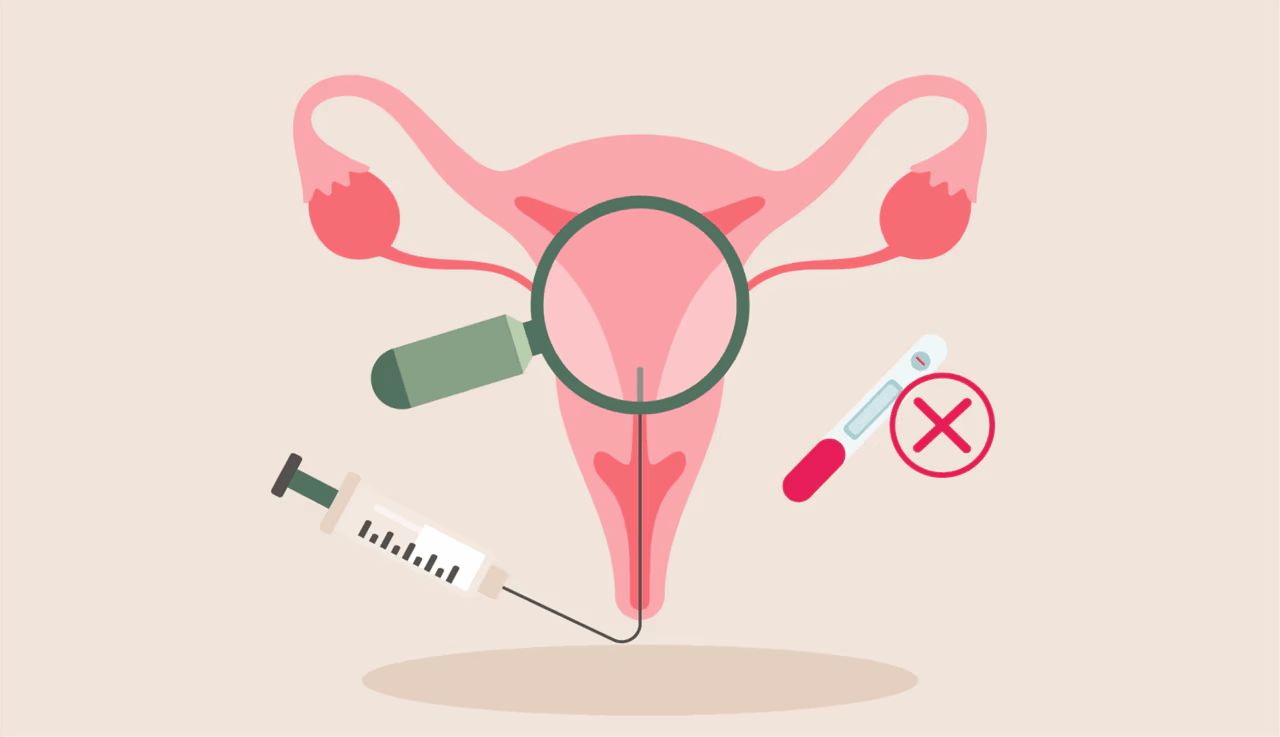
For many couples trying to conceive, receiving a positive embryo transfer result is one of the most anticipated moments in their fertility journey. However, not every healthy-looking embryo successfully attaches to the lining of the uterus. When this crucial step does not occur, it is known as implantation failure.
Implantation is one of the most complex stages of human reproduction. It requires a healthy embryo, a receptive uterine lining (endometrium), balanced hormones, and perfect timing. Even when an embryo appears to be of excellent quality during IVF, implantation may still not occur due to several biological and medical factors. This can be emotionally challenging, especially for couples who have experienced multiple unsuccessful IVF cycles or recurrent pregnancy loss.
Understanding why implantation fails is the first step toward improving future pregnancy outcomes. Advances in reproductive medicine have made it possible to identify many of the underlying causes of implantation failure through specialised diagnostic tests and personalised fertility treatments. Today, fertility specialists can address factors such as uterine abnormalities, hormonal imbalances, genetic issues, immune conditions, and lifestyle influences that may affect implantation success.
Although implantation failure can feel discouraging, it does not mean that pregnancy is impossible. Many couples go on to achieve healthy pregnancies after receiving a thorough evaluation and an individualised treatment plan. The key is identifying the reason behind the failed implantation and selecting the most appropriate medical approach.
In this comprehensive guide, we explain everything you need to know about implantation failure, including how implantation normally occurs, the common causes and risk factors, symptoms, diagnostic tests, available treatments, prevention strategies, and practical steps you can take to improve your chances of a successful pregnancy.
Whether you are trying to conceive naturally or undergoing fertility treatment such as IVF, this guide will help you better understand implantation failure and the options available to support your journey toward parenthood.
Why This Guide Matters
Implantation failure is one of the leading reasons why pregnancy may not occur despite transferring a good-quality embryo during IVF. While embryo quality is important, successful implantation depends on several interconnected factors, including uterine health, hormone levels, genetics, immune function, and overall reproductive well-being.
By understanding these factors, patients can work closely with fertility specialists to identify potential challenges and receive targeted treatments that improve the likelihood of a successful implantation and a healthy pregnancy.
This guide is designed to provide reliable, evidence-based information in simple language, helping individuals and couples make informed decisions about their fertility care.
What Is Implantation Failure?
Implantation failure occurs when a fertilised embryo does not successfully attach to the lining of the uterus (endometrium), preventing pregnancy from progressing. Implantation is one of the most critical stages of conception, whether pregnancy occurs naturally or through in vitro fertilisation (IVF). Without successful implantation, the embryo cannot receive the nutrients and oxygen it needs to continue developing.
During a normal pregnancy, implantation usually takes place 6 to 10 days after fertilisation. The embryo travels through the fallopian tube, reaches the uterus, and attaches to the thickened endometrial lining. This process triggers the production of human chorionic gonadotropin (hCG), the hormone detected by pregnancy tests.
When implantation does not occur, the embryo stops developing and is naturally expelled from the body. In IVF treatment, this often results in a negative pregnancy test despite the transfer of one or more good-quality embryos.
Implantation failure can happen for many reasons. Sometimes the embryo itself may have chromosomal abnormalities, while in other cases the uterine lining may not be receptive enough to support implantation. Hormonal imbalances, uterine abnormalities, immune conditions, genetic factors, and lifestyle habits can also contribute to unsuccessful implantation.
A single failed implantation is relatively common and does not necessarily indicate a fertility problem. However, repeated implantation failures require a thorough evaluation by a fertility specialist to identify any underlying issues and determine the most appropriate treatment plan.
How Does Implantation Normally Occur?
Implantation is a carefully coordinated biological process involving communication between the embryo and the uterus. For pregnancy to occur, several conditions must be met at exactly the right time.
Fertilisation
The process begins when a sperm fertilises an egg, forming a single-cell embryo called a zygote. Over the next few days, the embryo divides into multiple cells as it travels towards the uterus.
Blastocyst Formation
Around five to six days after fertilisation, the embryo develops into a blastocyst. At this stage, it contains two important parts: the inner cell mass, which will become the baby, and the outer layer of cells, which will later form the placenta.
Arrival in the Uterus
The blastocyst reaches the uterus and begins to interact with the endometrial lining. During this time, the uterus enters a short period known as the window of implantation, when the lining is most receptive to embryo attachment.
Attachment to the Endometrium
The embryo gently adheres to the uterine lining and begins to invade the endometrial tissue. This allows the embryo to establish a connection with the mother's blood supply, providing the nutrients and oxygen needed for growth.
Pregnancy Hormone Production
Once implantation is successful, the embryo starts producing hCG (human chorionic gonadotropin). This hormone signals the body to maintain the pregnancy and is the hormone detected by home and laboratory pregnancy tests.
If any step in this sequence is disrupted, implantation may not occur, resulting in implantation failure.
Implantation Failure vs Recurrent Implantation Failure
Although these terms are often used interchangeably, they describe different clinical situations.
Implantation Failure
Implantation failure refers to a single unsuccessful attempt where an embryo does not implant after conception or embryo transfer. It can occur naturally or during IVF treatment and is relatively common. One failed implantation does not necessarily indicate an underlying fertility problem, as many healthy couples require more than one cycle to achieve pregnancy.
Recurrent Implantation Failure (RIF)
Recurrent implantation failure (RIF) is generally diagnosed when good-quality embryos fail to implant after multiple IVF cycles. While there is no universally accepted definition, many fertility specialists consider RIF when implantation has not occurred after transferring several high-quality embryos across two or more embryo transfer cycles.
Unlike a single implantation failure, recurrent implantation failure often suggests an underlying issue that requires detailed investigation. Possible causes include uterine abnormalities, genetic factors, hormonal disorders, immune conditions, blood clotting disorders, or problems affecting embryo quality.
Advances in reproductive medicine now allow fertility specialists to perform comprehensive evaluations and develop personalised treatment plans, significantly improving the chances of achieving a successful pregnancy in future IVF cycles.
Signs and Symptoms of Implantation Failure
One of the most challenging aspects of implantation failure is that it often does not cause obvious symptoms. In many cases, the only indication is the absence of pregnancy after attempting to conceive naturally or following an embryo transfer during IVF.
Unlike other reproductive conditions, implantation failure usually occurs without noticeable physical changes. However, some individuals may experience signs that suggest implantation has not been successful.
Negative Pregnancy Test
A negative pregnancy test after an embryo transfer is the most common sign of implantation failure. During IVF, blood tests measuring human chorionic gonadotropin (hCG) are typically performed 10 to 14 days after embryo transfer to determine whether implantation has occurred.
Menstrual Bleeding
If implantation does not take place, hormone levels decline, causing the uterine lining to shed. As a result, menstruation usually begins around the expected time or shortly after stopping fertility medications.
Absence of Early Pregnancy Symptoms
Successful implantation leads to the production of hCG, which triggers early pregnancy symptoms such as breast tenderness, nausea, fatigue, frequent urination, and mild bloating. When implantation fails, these symptoms generally do not develop.
It is important to remember that some women with successful implantation may also experience very few symptoms. Therefore, symptoms alone cannot confirm or rule out pregnancy.
Repeated Failed IVF Cycles
For couples undergoing fertility treatment, repeated unsuccessful embryo transfers despite the use of good-quality embryos may indicate recurrent implantation failure. This situation requires further medical evaluation to identify any underlying causes.
Emotional Symptoms
Although implantation failure may not produce significant physical symptoms, it can have a considerable emotional impact. Many individuals and couples experience:
- Stress and anxiety
- Disappointment after a failed cycle
- Feelings of frustration or helplessness
- Fear about future fertility treatments
- Emotional exhaustion after multiple unsuccessful attempts
Seeking emotional support from healthcare professionals, counsellors, or support groups can help couples cope with the emotional challenges of fertility treatment.
Can You Feel Implantation Failure?
The simple answer is no. There are no specific physical sensations that indicate implantation has failed.
Some women may notice mild cramping, spotting, bloating, or breast tenderness during the two-week wait after ovulation or embryo transfer. However, these symptoms are often caused by hormonal changes, fertility medications, or the normal menstrual cycle rather than implantation itself.
Because these symptoms are not reliable indicators, fertility specialists recommend waiting until the scheduled blood test rather than relying on physical signs to determine whether implantation has been successful.
Is Implantation Failure Common?
Yes. Implantation failure is more common than many people realise. Even in healthy couples with no known fertility issues, not every fertilised embryo successfully implants.
In natural conception, many embryos fail to implant due to chromosomal abnormalities or other biological factors before a woman even realises she is pregnant.
Similarly, in IVF treatment, transferring a high-quality embryo does not guarantee pregnancy. Success depends on several factors, including embryo quality, uterine receptivity, maternal age, hormonal balance, and overall reproductive health.
A single implantation failure is generally not considered unusual. However, repeated implantation failures may indicate an underlying condition that should be investigated by a fertility specialist. Identifying and treating these factors can significantly improve the chances of a successful pregnancy in future cycles.
What Causes Implantation Failure?
Implantation is a complex biological process that depends on the healthy interaction between the embryo and the uterine lining. Even if an embryo appears to be of good quality, implantation may not occur if one or more factors interfere with this process.
There is rarely a single cause of implantation failure. In many cases, multiple factors work together, making a comprehensive fertility evaluation essential for identifying the underlying problem.
Below are the most common causes of implantation failure.
Poor Embryo Quality
Embryo quality is one of the most important factors influencing successful implantation. Healthy embryos have a greater chance of attaching to the uterine lining and developing into a healthy pregnancy.
Embryos with poor cell development, slow growth, or structural abnormalities may fail to implant or may stop developing shortly after implantation. While modern IVF laboratories use advanced techniques to select the best embryos, appearance alone cannot always determine whether an embryo is genetically healthy.
The risk of poor embryo quality generally increases with maternal age, as egg quality naturally declines over time.
Chromosomal Abnormalities
One of the leading causes of implantation failure is chromosomal abnormalities within the embryo.
A healthy embryo should contain the correct number of chromosomes. If there are missing or extra chromosomes, the embryo may not develop normally, making successful implantation unlikely.
Chromosomal abnormalities often occur naturally during egg or sperm formation and become more common as women get older. Many embryos with abnormal chromosomes fail to implant, while others may result in an early miscarriage.
In some IVF cases, Preimplantation Genetic Testing (PGT) may help identify chromosomally normal embryos before transfer.
Thin Endometrial Lining
The endometrium is the inner lining of the uterus where the embryo implants. For implantation to occur successfully, the lining must reach an appropriate thickness and provide a healthy environment for embryo attachment.
A thin endometrium may reduce blood supply and limit the nutrients needed to support implantation.
Common causes of a thin uterine lining include:
- Low oestrogen levels
- Previous uterine surgery
- Chronic uterine infections
- Reduced blood flow to the uterus
- Scar tissue inside the uterus
Fertility specialists often monitor endometrial thickness during IVF to determine the best time for embryo transfer.
Uterine Abnormalities
Structural problems within the uterus can interfere with implantation by preventing the embryo from attaching properly or reducing the available space for normal development.
These abnormalities may be present from birth or develop later in life.
Examples include:
- Uterine fibroids
- Endometrial polyps
- Uterine septum
- Intrauterine adhesions (Asherman's syndrome)
- Congenital uterine abnormalities
Many uterine abnormalities can be diagnosed through ultrasound or hysteroscopy and may be corrected with minimally invasive procedures before fertility treatment.
Endometriosis
Endometriosis occurs when tissue similar to the uterine lining grows outside the uterus. It can affect the ovaries, fallopian tubes, pelvic cavity, and even the uterine environment.
Research suggests that endometriosis may reduce implantation by causing chronic inflammation, altering hormone function, affecting egg quality, and decreasing endometrial receptivity.
Women with moderate or severe endometriosis may experience reduced IVF success rates compared to those without the condition.
Adenomyosis
Adenomyosis develops when endometrial tissue grows into the muscular wall of the uterus.
This condition can enlarge the uterus, increase inflammation, and alter the environment needed for successful implantation. Women with adenomyosis may also experience painful periods, heavy menstrual bleeding, and infertility.
Appropriate medical treatment before IVF may improve implantation outcomes in selected patients.
Hormonal Imbalances
Successful implantation depends on the precise balance of reproductive hormones throughout the menstrual cycle.
Hormonal disturbances can affect ovulation, embryo development, and the ability of the endometrium to become receptive during the implantation window.
Hormonal conditions that may contribute to implantation failure include:
- Low progesterone levels
- Oestrogen imbalance
- Thyroid disorders
- Elevated prolactin levels
- Ovulation disorders
Hormone testing is often performed before fertility treatment to identify and correct these issues.
Poor Endometrial Receptivity
Even when the uterine lining appears normal on ultrasound, it may not be biologically ready to accept an embryo.
Endometrial receptivity refers to the short period known as the window of implantation, during which the uterus is most prepared for embryo attachment.
If embryo transfer occurs too early or too late, implantation may fail despite having a healthy embryo.
In selected patients with recurrent implantation failure, specialised tests may help determine the optimal timing for embryo transfer.
Lifestyle Factors
Daily lifestyle habits can influence both embryo quality and the uterine environment.
Several modifiable factors have been associated with lower implantation rates, including:
- Smoking or tobacco use
- Excessive alcohol consumption
- Obesity
- Poor nutrition
- Chronic stress
- Lack of regular physical activity
- Excessive caffeine intake
- Poor sleep quality
Adopting healthier lifestyle habits before conception or IVF may improve overall reproductive health and increase the likelihood of successful implantation.
Additional Causes of Implantation Failure
While embryo quality and uterine health are among the most common reasons for implantation failure, several other medical conditions can also reduce the chances of a successful pregnancy. Identifying these factors allows fertility specialists to develop a personalised treatment plan that addresses each patient's unique needs.
Immune System Disorders
The immune system plays an important role during implantation. Under normal circumstances, it recognises and supports the developing embryo. However, in some cases, an abnormal immune response may interfere with embryo implantation.
Although research is still evolving, certain immune-related conditions may contribute to recurrent implantation failure in some individuals.
Examples include:
- Autoimmune diseases
- Elevated natural killer (NK) cell activity
- Antiphospholipid syndrome
- Chronic inflammatory conditions
Specialised testing may be recommended for patients who have experienced multiple failed IVF cycles or recurrent pregnancy loss.
Blood Clotting Disorders
Certain inherited or acquired blood clotting disorders can affect blood flow to the uterus, making it more difficult for the embryo to implant successfully.
Reduced circulation may prevent the embryo from receiving sufficient oxygen and nutrients during the early stages of pregnancy.
Conditions that may affect implantation include:
- Antiphospholipid syndrome
- Inherited thrombophilia
- Protein C deficiency
- Protein S deficiency
- Factor V Leiden mutation
When indicated, fertility specialists may recommend blood tests to investigate these conditions and determine whether treatment is necessary.
Polycystic Ovary Syndrome (PCOS)
PCOS is one of the most common hormonal disorders affecting women of reproductive age. While many women with PCOS achieve successful pregnancies, the condition can sometimes reduce implantation rates by affecting egg quality, hormone balance, and endometrial receptivity.
Women with PCOS may also experience:
- Irregular ovulation
- Insulin resistance
- Increased androgen levels
- Obesity
- Chronic inflammation
Proper management of PCOS before fertility treatment can significantly improve pregnancy outcomes.
Thyroid Disorders
Healthy thyroid function is essential for fertility and early pregnancy.
Both hypothyroidism and hyperthyroidism can disrupt hormone production, affect ovulation, and reduce the ability of the uterus to support implantation.
Since thyroid disorders often develop without obvious symptoms, fertility specialists commonly recommend thyroid function tests as part of a fertility evaluation.
Chronic Endometritis
Chronic endometritis is a persistent inflammation of the uterine lining, usually caused by a mild bacterial infection. Unlike acute infections, it often produces few or no noticeable symptoms.
Despite its subtle nature, chronic endometritis can negatively affect endometrial receptivity and increase the risk of implantation failure or recurrent miscarriage.
Diagnosis is usually confirmed through an endometrial biopsy, and treatment typically involves a course of antibiotics.
Male Factor Infertility
Although implantation occurs inside the uterus, sperm quality also influences implantation success.
Poor sperm quality may contribute to:
- Reduced embryo quality
- Increased chromosomal abnormalities
- Slower embryo development
- Lower implantation potential
Factors affecting sperm quality include:
- Low sperm count
- Poor sperm motility
- Abnormal sperm morphology
- Increased DNA fragmentation
Evaluating both partners is an important part of fertility assessment, particularly after repeated IVF failures.
Advanced Maternal Age
A woman's age remains one of the strongest predictors of implantation success.
As women grow older, both the number and quality of eggs naturally decline. This increases the likelihood of chromosomal abnormalities in embryos, reducing the chances of successful implantation and increasing the risk of miscarriage.
Although healthy pregnancies are possible at an older age, implantation rates generally decrease after the age of 35 and decline more rapidly after 40.
Unexplained Implantation Failure
In some cases, all fertility investigations may appear normal, yet implantation still does not occur. This is known as unexplained implantation failure.
Possible reasons may include subtle genetic factors, microscopic changes within the endometrium, embryo-endometrial communication issues, or biological mechanisms that current medical tests cannot yet detect.
Even when no clear cause is identified, many couples achieve successful pregnancies with adjustments to their treatment protocol, additional investigations, or subsequent IVF cycles under the guidance of an experienced fertility specialist.
Risk Factors for Implantation Failure
Although implantation failure can occur in anyone trying to conceive, certain factors can increase the likelihood of unsuccessful implantation. Understanding these risk factors allows fertility specialists to identify potential challenges early and recommend appropriate interventions to improve the chances of pregnancy.
Advanced Maternal Age
Maternal age is one of the most significant risk factors for implantation failure.
As women age, both the quantity and quality of eggs naturally decline. This increases the chances of producing embryos with chromosomal abnormalities, making successful implantation less likely. Women over the age of 35 generally experience lower implantation and pregnancy rates, while the decline becomes more pronounced after the age of 40.
Previous Failed IVF Cycles
Experiencing one unsuccessful IVF cycle does not necessarily indicate a long-term fertility problem. However, repeated failed embryo transfers, particularly when good-quality embryos have been used, may suggest an underlying issue affecting implantation.
Couples with recurrent implantation failure often require additional investigations to identify factors that may have been overlooked during previous treatment cycles.
Recurrent Miscarriage
Women with a history of recurrent pregnancy loss may also have an increased risk of implantation-related problems.
Certain conditions, such as uterine abnormalities, chromosomal disorders, hormonal imbalances, immune conditions, or blood clotting disorders, can contribute to both implantation failure and recurrent miscarriage.
Uterine Conditions
Any condition that affects the structure or function of the uterus can reduce the chances of successful implantation.
These conditions include:
- Fibroids that distort the uterine cavity
- Endometrial polyps
- Adenomyosis
- Endometriosis
- Uterine septum
- Scar tissue within the uterus
Early diagnosis and appropriate treatment can often improve implantation outcomes.
Hormonal Disorders
Balanced hormone levels are essential for preparing the uterine lining and supporting early pregnancy.
Women with hormonal conditions such as thyroid disease, PCOS, elevated prolactin levels, or progesterone deficiency may have a higher risk of implantation failure if these conditions are left untreated.
Poor Lifestyle Habits
Lifestyle choices can significantly influence reproductive health and implantation success.
Risk factors include:
- Smoking
- Excessive alcohol consumption
- Recreational drug use
- Obesity
- Poor diet
- Physical inactivity
- Chronic stress
- Excessive caffeine intake
- Inadequate sleep
Making healthy lifestyle changes before attempting pregnancy or starting IVF can improve overall fertility and pregnancy outcomes.
Chronic Medical Conditions
Certain long-term health conditions may interfere with fertility and implantation.
These include:
- Diabetes
- Autoimmune diseases
- Thyroid disorders
- High blood pressure
- Chronic inflammatory conditions
Proper medical management before conception can help reduce pregnancy-related complications and improve implantation success.
Genetic Factors
Some couples carry genetic abnormalities that may affect embryo development and implantation.
Balanced chromosomal rearrangements, inherited genetic conditions, or embryo chromosomal abnormalities can reduce implantation rates and increase the risk of miscarriage. Genetic counselling and specialised testing may be recommended for couples with recurrent implantation failure or repeated pregnancy loss.
Male Fertility Factors
Male fertility contributes significantly to embryo quality. Poor sperm quality, increased DNA fragmentation, or chromosomal abnormalities in sperm may reduce embryo viability and lower the likelihood of successful implantation.
A comprehensive fertility evaluation should always include assessment of both partners.
When Should You See a Fertility Specialist?
While a single failed implantation or unsuccessful IVF cycle is not uncommon, repeated implantation failure should not be ignored. Consulting a fertility specialist at the right time can help identify the underlying cause and improve the chances of achieving a successful pregnancy.
You should consider seeking medical advice if you:
- Have been trying to conceive for more than one year without success (or six months if you are over 35).
- Have experienced two or more failed IVF embryo transfers with good-quality embryos.
- Have a history of recurrent miscarriages.
- Have been diagnosed with endometriosis, PCOS, adenomyosis, or uterine fibroids.
- Have irregular menstrual cycles or hormonal disorders.
- Have undergone previous uterine surgery.
- Have known thyroid disease or autoimmune conditions.
- Have concerns about male infertility or abnormal semen analysis results.
Early evaluation can help detect treatable conditions before they significantly affect future fertility treatments. With modern diagnostic techniques and personalised fertility care, many couples who experience implantation failure are able to achieve successful pregnancies.
How Is Implantation Failure Diagnosed?
Diagnosing implantation failure involves a comprehensive evaluation of both partners to identify factors that may be preventing the embryo from successfully attaching to the uterine lining. Since implantation depends on embryo quality, uterine health, hormonal balance, genetics, and overall reproductive function, fertility specialists often recommend a combination of diagnostic tests rather than relying on a single examination.
The goal of diagnosis is to determine the underlying cause and develop a personalised treatment plan that improves the chances of a successful pregnancy.
Medical History Review
The first step is a detailed review of your medical and fertility history.
Your fertility specialist may ask about:
- Previous pregnancies or miscarriages
- Number of failed IVF cycles
- Menstrual cycle regularity
- Past pelvic surgeries
- Medical conditions such as PCOS or thyroid disorders
- Current medications
- Family history of infertility or genetic disorders
- Lifestyle factors such as smoking, alcohol consumption, and body weight
This information helps identify potential risk factors that may contribute to implantation failure.
Pelvic Ultrasound
A transvaginal ultrasound is commonly performed to evaluate the uterus and ovaries.
It helps identify conditions that may interfere with implantation, including:
- Uterine fibroids
- Endometrial polyps
- Ovarian cysts
- Adenomyosis
- Endometrial thickness
- Ovarian reserve indicators
Ultrasound also allows fertility specialists to monitor the development of the uterine lining during fertility treatment.
Hormone Testing
Hormones play a crucial role in preparing the uterus for implantation.
Blood tests may be performed to evaluate:
- Follicle-stimulating hormone (FSH)
- Luteinising hormone (LH)
- Oestrogen
- Progesterone
- Thyroid hormones (TSH, T3, T4)
- Prolactin
- Anti-Müllerian Hormone (AMH)
Identifying hormonal imbalances allows doctors to optimise treatment before embryo transfer.
Hysteroscopy
Hysteroscopy is a minimally invasive procedure that allows the doctor to examine the inside of the uterus using a thin camera.
It can detect abnormalities that may not be visible on ultrasound, such as:
- Small endometrial polyps
- Scar tissue
- Uterine septum
- Chronic inflammation
- Other structural abnormalities
If necessary, certain conditions can often be treated during the same procedure.
Hysterosalpingography (HSG)
An HSG is an X-ray procedure in which a special dye is injected into the uterus and fallopian tubes.
Although commonly used to assess tubal patency, it also provides valuable information about the shape of the uterine cavity and can help identify structural abnormalities that may affect implantation.
Endometrial Evaluation
The health of the uterine lining is essential for successful implantation.
Depending on the patient's history, specialists may recommend additional assessments to evaluate:
- Endometrial thickness
- Blood flow to the uterus
- Signs of chronic inflammation
- Endometrial receptivity during the implantation window
These assessments can help determine whether the uterus is adequately prepared for embryo transfer.
Genetic Testing
Genetic factors can significantly influence implantation success.
Testing may include:
- Parental karyotyping to detect chromosomal rearrangements.
- Preimplantation Genetic Testing (PGT) during IVF to identify chromosomally normal embryos.
- Genetic counselling for couples with recurrent implantation failure or recurrent pregnancy loss.
Genetic evaluation helps reduce the likelihood of transferring embryos with chromosomal abnormalities.
Semen Analysis
Successful implantation depends on both egg and sperm quality.
A comprehensive semen analysis evaluates:
- Sperm count
- Motility
- Morphology
- Overall semen quality
In selected cases, additional tests such as sperm DNA fragmentation analysis may be recommended to assess sperm health more thoroughly.
Blood Tests for Immune and Clotting Disorders
For patients with recurrent implantation failure or recurrent miscarriage, additional blood tests may be advised to investigate conditions that could interfere with implantation.
These may include tests for:
- Antiphospholipid syndrome
- Inherited thrombophilia
- Autoimmune disorders
- Thyroid antibodies
- Other clotting abnormalities
Testing is generally recommended based on an individual's medical history and clinical findings rather than as a routine investigation for every patient.
Why Accurate Diagnosis Is Important
Implantation failure is often caused by more than one factor. A thorough fertility assessment helps identify both obvious and subtle issues that may reduce the chances of pregnancy.
Rather than repeating the same treatment approach after an unsuccessful cycle, identifying the underlying cause allows fertility specialists to personalise future treatment. This may involve correcting uterine abnormalities, managing hormonal conditions, selecting genetically healthy embryos, treating infections, or modifying the IVF protocol to improve implantation success.
An accurate diagnosis not only increases the likelihood of pregnancy but also helps avoid unnecessary procedures, reduces emotional stress, and ensures that each treatment cycle is tailored to the individual needs of the patient.
Treatment Options for Implantation Failure
The treatment for implantation failure depends on the underlying cause. Since every patient has unique medical and fertility factors, there is no single treatment that works for everyone. After identifying the possible reasons for implantation failure, fertility specialists create a personalised treatment plan aimed at improving embryo implantation and increasing the chances of a successful pregnancy.
Optimising Embryo Quality
Healthy embryos are essential for successful implantation. If poor embryo quality is identified as a contributing factor, your fertility specialist may recommend changes to improve embryo development before the next embryo transfer.
Treatment strategies may include:
- Adjusting the IVF stimulation protocol
- Improving egg and sperm quality through lifestyle modifications
- Using Intracytoplasmic Sperm Injection (ICSI) when appropriate
- Considering Preimplantation Genetic Testing (PGT) for selected patients
- Freezing embryos and transferring them in a later cycle when the uterine environment is optimal
Selecting the healthiest embryo can significantly improve implantation and pregnancy rates.
Treating Uterine Abnormalities
If structural problems within the uterus are preventing implantation, correcting these abnormalities may improve fertility outcomes.
Treatment may involve:
- Removal of uterine polyps
- Surgical treatment of submucosal fibroids
- Correction of a uterine septum
- Removal of intrauterine adhesions (Asherman's syndrome)
- Treatment of chronic endometritis with antibiotics
Many of these procedures can be performed through hysteroscopy, a minimally invasive technique that usually allows for a quick recovery.
Hormonal Therapy
Balanced hormone levels are essential for preparing the uterine lining and supporting early pregnancy.
Depending on the underlying condition, treatment may include:
- Progesterone supplementation
- Oestrogen therapy
- Thyroid medication
- Treatment for elevated prolactin levels
- Ovulation induction medications
Correcting hormonal imbalances helps create a receptive uterine environment for embryo implantation.
Improving Endometrial Receptivity
For successful implantation, the uterine lining must be receptive at the time of embryo transfer.
Treatment strategies may include:
- Optimising endometrial thickness before embryo transfer
- Adjusting the timing of embryo transfer
- Using hormone replacement protocols
- Managing inflammation or infections affecting the endometrium
Improving endometrial receptivity increases the likelihood that the embryo will successfully attach and continue developing.
Managing Endometriosis and Adenomyosis
Women diagnosed with endometriosis or adenomyosis may benefit from treatment before undergoing IVF.
Depending on the severity of the condition, treatment options may include:
- Hormonal medications
- Laparoscopic surgery
- Temporary hormonal suppression before embryo transfer
- Individualised IVF protocols
Managing these conditions can improve the uterine environment and increase implantation success.
Treatment for Immune and Blood Clotting Disorders
For patients diagnosed with specific immune-related or blood clotting conditions, treatment may be recommended based on clinical evidence and individual medical history.
Depending on the diagnosis, management may include:
- Low-dose aspirin
- Blood-thinning medications when medically indicated
- Treatment of autoimmune disorders
- Close monitoring throughout early pregnancy
These treatments should only be used under the supervision of a fertility specialist, as they are not appropriate for every patient with implantation failure.
Lifestyle Modifications
Simple lifestyle changes can have a positive impact on fertility and implantation success.
Doctors often recommend:
- Maintaining a healthy body weight
- Eating a balanced, nutrient-rich diet
- Exercising regularly without overexertion
- Quitting smoking and tobacco use
- Avoiding excessive alcohol consumption
- Limiting caffeine intake
- Getting adequate sleep
- Managing stress through relaxation techniques or counselling
Although lifestyle changes cannot guarantee pregnancy, they help create healthier conditions for conception and pregnancy.
Personalised IVF Treatment
Every IVF cycle should be tailored to the individual patient's medical history and fertility needs.
Your fertility specialist may modify:
- Ovarian stimulation medications
- Hormone protocols
- Timing of embryo transfer
- Number of embryos transferred
- Choice between fresh and frozen embryo transfer
A personalised treatment approach often leads to better implantation rates than repeating the same protocol after a failed cycle.
Emotional Support and Fertility Counselling
Repeated implantation failure can be emotionally overwhelming. Feelings of disappointment, anxiety, frustration, and uncertainty are common during fertility treatment.
Professional counselling, support groups, and open communication with your fertility team can help patients and their partners cope with the emotional challenges of infertility while maintaining their overall well-being throughout treatment.
What Is the Success Rate After Implantation Failure?
Experiencing implantation failure does not mean that pregnancy is no longer possible. Many couples go on to achieve successful pregnancies after identifying and treating the underlying cause.
Success rates depend on several factors, including:
- Maternal age
- Embryo quality
- Uterine health
- Underlying medical conditions
- Number of previous IVF attempts
- Overall reproductive health
- The treatment strategy used
Advances in fertility medicine, improved laboratory techniques, personalised IVF protocols, and comprehensive diagnostic testing have significantly improved outcomes for many patients with previous implantation failure.
With proper evaluation and expert fertility care, many couples who experience one or more failed implantation attempts are able to achieve a healthy pregnancy in future treatment cycles.
Can Implantation Failure Be Prevented?
Although not every case of implantation failure can be prevented, many factors that affect implantation can be identified and managed before pregnancy or IVF treatment. Taking proactive steps to improve reproductive health may increase the chances of successful embryo implantation and a healthy pregnancy.
Working closely with an experienced fertility specialist allows potential problems to be detected early and treated appropriately before embryo transfer.
Schedule a Comprehensive Fertility Evaluation
A thorough fertility assessment is one of the most effective ways to identify conditions that may interfere with implantation.
This evaluation may include:
- Hormone testing
- Ultrasound examination
- Uterine cavity assessment
- Semen analysis
- Genetic testing when indicated
- Review of previous fertility treatments
Identifying underlying issues before treatment helps create a personalised plan that improves the likelihood of implantation.
Maintain a Healthy Lifestyle
Good overall health supports reproductive function and creates a more favourable environment for implantation.
Healthy habits include:
- Eating a balanced diet rich in fruits, vegetables, whole grains, and lean proteins
- Maintaining a healthy body weight
- Exercising regularly with moderate-intensity activities
- Staying hydrated
- Getting 7–9 hours of quality sleep each night
- Managing stress through relaxation techniques or counselling
These lifestyle choices contribute to better hormonal balance and reproductive health.
Quit Smoking and Limit Alcohol
Smoking negatively affects egg quality, sperm quality, embryo development, and uterine blood flow. It is associated with lower implantation rates and reduced IVF success.
Excessive alcohol consumption may also impair fertility and increase the risk of pregnancy complications.
Couples planning pregnancy should stop smoking and minimise alcohol intake well before starting fertility treatment.
Manage Existing Medical Conditions
Certain health conditions can reduce implantation success if left untreated.
These include:
- Diabetes
- Thyroid disorders
- PCOS
- Endometriosis
- Adenomyosis
- Autoimmune diseases
- High blood pressure
Keeping these conditions under good medical control can improve fertility outcomes and support a healthy pregnancy.
Follow Your Fertility Specialist's Advice
Every fertility journey is unique. Following your doctor's recommendations regarding medications, treatment schedules, nutritional supplements, and follow-up appointments can help optimise the conditions needed for implantation.
Patients should avoid changing medications or taking unapproved supplements without consulting their fertility specialist.
Lifestyle Tips to Improve Implantation Success
While medical treatment addresses underlying fertility issues, healthy daily habits can further support embryo implantation and early pregnancy.
Although these measures cannot guarantee success, they contribute to better reproductive health.
Eat a Nutrient-Rich Diet
A balanced diet provides the vitamins and minerals needed for hormone production, egg quality, and endometrial health.
Focus on foods such as:
- Fresh fruits and vegetables
- Whole grains
- Lean proteins
- Fish rich in omega-3 fatty acids
- Nuts and seeds
- Healthy fats such as olive oil and avocado
Limiting processed foods and excessive sugar may also support overall health.
Maintain a Healthy Weight
Being either underweight or overweight can affect hormone balance and ovulation, reducing implantation success.
Maintaining a healthy body weight through proper nutrition and regular exercise can improve fertility outcomes for both women and men.
Stay Physically Active
Moderate physical activity helps improve blood circulation, reduce stress, and support hormonal balance.
Examples include:
- Walking
- Swimming
- Cycling
- Yoga
- Light strength training
However, strenuous exercise may not be suitable during certain stages of fertility treatment. Always follow your doctor's recommendations.
Reduce Stress
Although stress alone does not directly cause implantation failure, prolonged stress can affect overall health and make fertility treatment more emotionally challenging.
Helpful stress-management techniques include:
- Meditation
- Deep breathing exercises
- Mindfulness
- Gentle yoga
- Counselling
- Spending time with supportive family and friends
Emotional well-being is an important part of the fertility journey.
Take Prescribed Supplements
Your fertility specialist may recommend supplements based on your individual needs.
Commonly prescribed supplements include:
- Folic acid
- Vitamin D
- Iron (if deficient)
- Prenatal vitamins
Supplements should only be taken according to medical advice to avoid unnecessary or excessive intake.
When Should You Consider Another IVF Cycle?
A failed implantation can be emotionally difficult, but it does not necessarily mean future IVF attempts will be unsuccessful.
Many couples achieve pregnancy in subsequent IVF cycles after appropriate evaluation and treatment.
Your fertility specialist may recommend another IVF cycle after:
- Identifying and treating any underlying medical conditions
- Reviewing embryo quality
- Optimising the IVF protocol
- Improving endometrial receptivity
- Addressing hormonal imbalances
- Making appropriate lifestyle changes
Rather than repeating the exact same treatment, each new IVF cycle should build on the information gained from previous attempts. A personalised approach often leads to improved outcomes and a higher chance of achieving a successful pregnancy.
Frequently Asked Questions (FAQs)
1. What is implantation failure?
Implantation failure occurs when a fertilised embryo does not successfully attach to the lining of the uterus (endometrium). Without successful implantation, pregnancy cannot continue, whether conception occurs naturally or through IVF.
2. What causes implantation failure?
Implantation failure can result from several factors, including poor embryo quality, chromosomal abnormalities, a thin endometrial lining, uterine abnormalities, hormonal imbalances, endometriosis, adenomyosis, immune disorders, blood clotting disorders, and certain lifestyle factors.
3. Can a good-quality embryo fail to implant?
Yes. Even a good-quality embryo may fail to implant if the embryo has hidden genetic abnormalities or if the uterine environment is not receptive. Successful implantation depends on both embryo quality and endometrial health.
4. How common is implantation failure during IVF?
Implantation failure is relatively common. Not every embryo transfer results in pregnancy, even when high-quality embryos are transferred. Factors such as age, embryo quality, and uterine receptivity all influence IVF success rates.
5. What is recurrent implantation failure (RIF)?
Recurrent implantation failure refers to repeated unsuccessful implantation after transferring multiple good-quality embryos during IVF. It often requires a detailed fertility evaluation to identify possible underlying causes.
6. Can implantation failure happen naturally?
Yes. Implantation failure can occur in natural conception as well as during IVF treatment. Many embryos fail to implant naturally due to chromosomal abnormalities or other biological factors, often before a woman knows she is pregnant.
7. Does implantation failure always mean infertility?
No. A single implantation failure does not mean you are infertile. Many couples achieve successful pregnancies after one or more failed implantation attempts, especially once any underlying issues have been identified and treated.
8. Can age affect implantation success?
Yes. As maternal age increases, egg quality and embryo quality naturally decline, increasing the risk of chromosomal abnormalities and reducing the chances of successful implantation.
9. How is implantation failure diagnosed?
Diagnosis may involve reviewing your medical history, performing hormone tests, pelvic ultrasound, hysteroscopy, genetic testing, semen analysis, and evaluating the uterine lining to identify possible causes of implantation failure.
10. Can implantation failure be treated?
Yes. Treatment depends on the underlying cause and may include hormonal therapy, surgical correction of uterine abnormalities, treatment of infections, lifestyle modifications, personalised IVF protocols, or other fertility treatments recommended by your specialist.
11. Does stress cause implantation failure?
Stress alone has not been proven to directly cause implantation failure. However, chronic stress can affect overall health and emotional well-being during fertility treatment. Managing stress through healthy coping strategies may support your overall fertility journey.
12. Can lifestyle changes improve implantation success?
Yes. Maintaining a healthy weight, eating a balanced diet, exercising moderately, quitting smoking, limiting alcohol, getting enough sleep, and following your fertility specialist's advice can all contribute to better reproductive health and improve the chances of successful implantation.
13. Can men contribute to implantation failure?
Yes. Poor sperm quality, increased DNA fragmentation, and chromosomal abnormalities in sperm can affect embryo quality, which may reduce the likelihood of successful implantation. Fertility evaluation should always include both partners.
14. How long should I wait before trying another IVF cycle?
The timing depends on your medical history, the reason for implantation failure, and your fertility specialist's recommendations. Many couples benefit from further investigations and treatment adjustments before beginning another IVF cycle.
15. Can implantation failure be prevented?
Not all cases can be prevented. However, early fertility evaluation, treatment of underlying medical conditions, healthy lifestyle choices, and personalised fertility care can significantly improve the chances of successful implantation.
Why Choose Vardhan IVF Nepal for Fertility Treatment?
Choosing the right fertility centre is an important step in your journey towards parenthood. At Vardhan IVF Nepal, we understand that every patient's experience is unique. Our approach focuses on identifying the root cause of fertility challenges and providing personalised treatment plans based on the latest advances in reproductive medicine.
Our experienced fertility specialists, embryologists, and dedicated healthcare professionals work together to deliver compassionate, evidence-based care in a supportive environment. From comprehensive fertility evaluations to advanced IVF procedures, every stage of treatment is carefully planned to maximise your chances of a successful pregnancy.
At Vardhan IVF Nepal, we offer a wide range of fertility services, including fertility assessments, IVF, ICSI, fertility preservation, advanced diagnostic testing, and personalised treatment protocols. By combining modern technology with patient-centred care, we strive to help individuals and couples overcome fertility challenges with confidence and hope.
Whether you are starting your fertility journey or seeking answers after previous unsuccessful IVF cycles, our team is committed to supporting you every step of the way.
Final Thoughts
Implantation failure can be one of the most emotionally challenging experiences for individuals and couples trying to build a family. However, it is important to remember that a failed implantation does not mean the end of your fertility journey. Many underlying causes of implantation failure can be identified, treated, or effectively managed with the right medical care.
Advances in fertility medicine have significantly improved our understanding of embryo implantation and reproductive health. Through comprehensive diagnostic testing, personalised treatment plans, and evidence-based fertility care, many couples who have experienced implantation failure go on to achieve successful pregnancies.
If you have experienced repeated failed embryo transfers or are concerned about implantation failure, consulting an experienced fertility specialist is the best next step. Early evaluation and a personalised approach can help identify the underlying cause and improve your chances of achieving a healthy pregnancy.
At Vardhan IVF Nepal, we are committed to providing compassionate, advanced fertility care tailored to your individual needs. Our experienced team is here to guide and support you throughout your journey towards parenthood with expertise, understanding, and hope.