
Fresh vs Frozen Embryo Transfer (FET): Which Option Offers Better IVF Success?
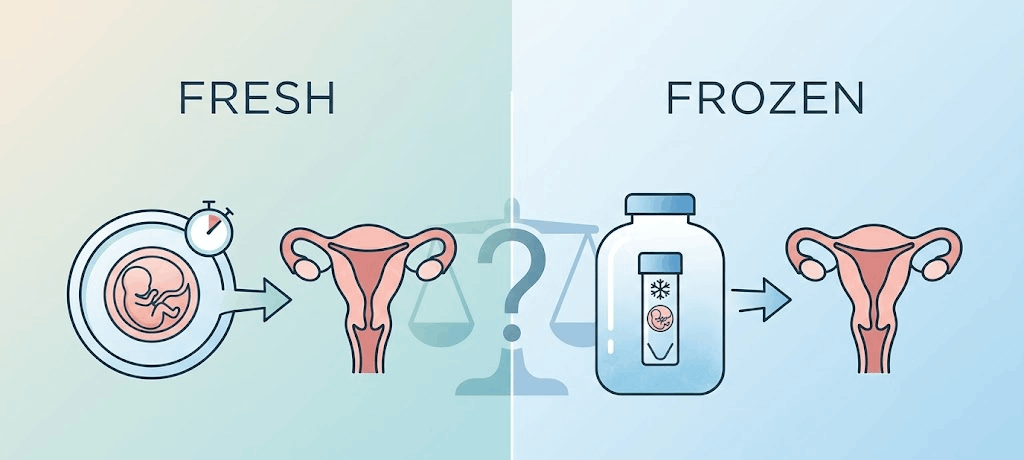
Fresh vs Frozen Embryo Transfer is one of the most frequently discussed topics among couples undergoing in vitro fertilization (IVF). As fertility treatments continue to evolve, both fresh embryo transfer and Frozen Embryo Transfer (FET) have become highly successful options for achieving pregnancy. However, many intended parents wonder which approach offers better IVF success rates, greater safety and the best chance of bringing home a healthy baby.
Choosing between a fresh and frozen embryo transfer is not simply a matter of preference. The decision depends on several factors, including the woman's age, hormone levels, uterine health, embryo quality, previous IVF history and any underlying fertility conditions. Advances in embryo freezing technology, particularly vitrification, have significantly improved the survival and implantation rates of frozen embryos. As a result, many fertility specialists now recommend Frozen Embryo Transfer (FET) in situations where it can improve pregnancy outcomes.
On the other hand, fresh embryo transfer continues to be an excellent option for many patients. For couples with favorable hormone levels, good embryo development and no medical concerns requiring a delay, transferring a fresh embryo shortly after egg retrieval may provide excellent success rates while shortening the overall treatment timeline.
Research published by leading fertility organizations has shown that both fresh and frozen embryo transfers can result in healthy pregnancies when performed under the right clinical circumstances. Rather than asking which option is universally "better," the more important question is which embryo transfer method is better for your individual fertility journey.
At Vardhan IVF Center, our fertility specialists carefully evaluate every patient's reproductive health before recommending the most suitable embryo transfer strategy. Using advanced laboratory technology, personalized treatment protocols and evidence-based fertility care, we help couples maximize their chances of a successful pregnancy while prioritizing both maternal and fetal health.
In this comprehensive guide, you'll learn everything you need to know about Fresh vs Frozen Embryo Transfer, including how each procedure works, their advantages and disadvantages, success rates, risks, costs, who is an ideal candidate for each option and the latest scientific evidence supporting both approaches. Whether you are preparing for your first IVF cycle or considering another attempt, this guide will help you make a confident and informed decision with the support of experienced fertility specialists.
What Is Embryo Transfer in IVF?
Embryo transfer is the final and one of the most significant stages of the IVF process. After eggs are retrieved from the ovaries and fertilized with sperm in a specialized laboratory, the resulting embryos are carefully monitored for several days to assess their development and quality. Once the embryos reach the appropriate developmental stage typically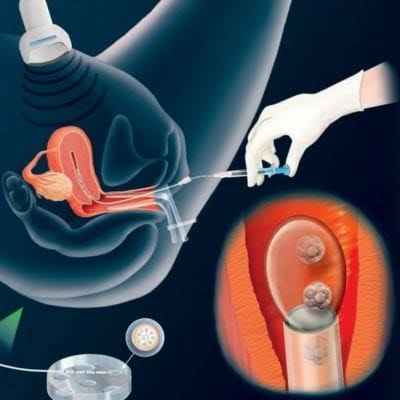
between Day 3 and Day 5 the fertility specialist selects the healthiest embryo for transfer into the uterus.
The goal of embryo transfer is to place a viable embryo inside the uterine cavity at the optimal time, allowing it to implant into the endometrial lining and develop into a healthy pregnancy. The procedure itself is minimally invasive, usually painless and does not require surgery or general anesthesia. Most patients can return to their normal daily activities shortly after the transfer.
There are two primary approaches to embryo transfer:
- Fresh Embryo Transfer, where the embryo is transferred during the same IVF cycle, just a few days after egg retrieval.
- Frozen Embryo Transfer (FET), where embryos are cryopreserved using advanced freezing techniques and transferred during a later menstrual cycle after the uterus has been optimally prepared.
Both methods have helped millions of couples worldwide achieve successful pregnancies. The choice between fresh and frozen embryo transfer depends on individual medical circumstances, fertility diagnosis, hormonal response during ovarian stimulation and recommendations from experienced fertility specialists.
Understanding these two approaches is the first step toward determining which treatment plan offers the highest likelihood of IVF success for your unique situation.
What Is Fresh Embryo Transfer?
A Fresh Embryo Transfer is an IVF procedure in which one or more embryos are transferred into the uterus just a few days after fertilization, during the same treatment cycle as egg retrieval. Typically, the embryo transfer takes place 3 to 5 days after the eggs are collected, depending on the quality and development of the embryos.
During a fresh IVF cycle, the ovaries are stimulated using fertility medications to produce multiple mature eggs. These eggs are retrieved through a minimally invasive procedure and fertilized with sperm in a highly specialized embryology laboratory. The resulting embryos are then monitored closely by embryologists to identify the healthiest embryo or embryos for transfer.
Unlike Frozen Embryo Transfer (FET), fresh embryo transfer does not involve freezing or storing embryos. Instead, the selected embryo is transferred directly into the uterus during the same menstrual cycle.
For many years, fresh embryo transfer was the standard approach in IVF treatment. Today, it remains an effective option for carefully selected patients, particularly those who respond well to ovarian stimulation and have a healthy uterine lining suitable for implantation.
At Vardhan IVF Center, every fresh embryo transfer is planned after a thorough evaluation of hormone levels, endometrial thickness, embryo quality and the patient's overall reproductive health. This personalized approach helps optimize the chances of successful implantation and pregnancy.
How Does a Fresh Embryo Transfer Work?
The process generally follows these steps:
Step 1: Ovarian Stimulation
The patient receives fertility medications to stimulate the ovaries, encouraging multiple follicles to develop instead of the single egg produced during a natural menstrual cycle. Regular ultrasound scans and blood tests help monitor follicle growth and hormone levels.
Step 2: Egg Retrieval
Once the follicles reach the appropriate size, a trigger injection is administered to mature the eggs. Approximately 34–36 hours later, the eggs are collected using ultrasound-guided aspiration under light sedation.
Step 3: Fertilization
The retrieved eggs are fertilized with sperm using conventional IVF or Intracytoplasmic Sperm Injection (ICSI), depending on the couple's fertility diagnosis.
Step 4: Embryo Development
The fertilized eggs develop into embryos inside a controlled laboratory environment. Embryologists carefully monitor their growth over the next several days, selecting the healthiest embryo for transfer.
Step 5: Fresh Embryo Transfer
Usually on Day 3 or Day 5, the selected embryo is gently transferred into the uterus using a thin, flexible catheter. The procedure is quick, virtually painless and generally completed within a few minutes without anesthesia.
Step 6: Pregnancy Test
Approximately 10–14 days after the transfer, a blood test is performed to determine whether implantation has occurred and pregnancy has been achieved.
Benefits of Fresh Embryo Transfer
Fresh embryo transfer continues to offer several important advantages, particularly for patients with favorable reproductive conditions.
Shorter Overall Treatment Timeline
Since embryos are transferred immediately after fertilization, patients do not need to wait for another menstrual cycle before attempting pregnancy.
Fewer Treatment Cycles
The complete IVF process from ovarian stimulation to embryo transfer takes place within a single treatment cycle, reducing the waiting period for many couples.
Proven Clinical Effectiveness
Fresh embryo transfer has resulted in millions of healthy pregnancies worldwide and remains an evidence-based treatment option when hormonal conditions are favorable.
No Freezing Required
Because embryos are transferred immediately, there is no need for cryopreservation or thawing procedures.
Suitable for Selected Patients
Women with stable hormone levels, good endometrial development and a low risk of ovarian hyperstimulation syndrome (OHSS) may achieve excellent outcomes with fresh embryo transfer.
What Is Frozen Embryo Transfer (FET)?
Frozen Embryo Transfer (FET) is an IVF procedure in which embryos created during a previous IVF cycle are frozen using advanced cryopreservation technology and transferred into the uterus during a later menstrual cycle.
Rather than transferring the embryo immediately after fertilization, fertility specialists preserve high-quality embryos using a rapid freezing technique known as vitrification. These embryos can remain safely stored for months or even years before being thawed and transferred when the uterus is optimally prepared.
Modern vitrification has dramatically improved embryo survival after thawing, making Frozen Embryo Transfer one of the most successful and widely used IVF techniques worldwide.
Today, many fertility specialists recommend FET because it allows the body to recover from ovarian stimulation before embryo transfer, creating a more natural and receptive uterine environment.
At Vardhan IVF Center, Frozen Embryo Transfer protocols are individually tailored to ensure the uterine lining is prepared at the ideal time, helping maximize implantation and pregnancy success.
How Does Frozen Embryo Transfer (FET) Work?
Step 1: IVF and Embryo Creation
The patient undergoes ovarian stimulation, egg retrieval and fertilization in the same way as a fresh IVF cycle.
Step 2: Embryo Freezing
Instead of immediate transfer, the healthiest embryos are frozen using vitrification. This process minimizes ice crystal formation, protecting the embryo's delicate cells during storage.
Step 3: Recovery Period
The patient's body is allowed to recover from ovarian stimulation. This period may last several weeks or months, depending on the treatment plan and medical recommendations.
Step 4: Endometrial Preparation
Before transfer, the uterus is carefully prepared using either natural ovulation or hormone replacement therapy to ensure the endometrial lining is thick and receptive.
Step 5: Embryo Thawing
On the scheduled transfer day, the frozen embryo is thawed under carefully controlled laboratory conditions. Thanks to modern vitrification techniques, the survival rate of thawed embryos is exceptionally high.
Step 6: Frozen Embryo Transfer
The thawed embryo is gently placed into the uterus using a soft catheter. The procedure is similar to fresh embryo transfer and typically takes only a few minutes.
Step 7: Pregnancy Test
Around 10–14 days later, a blood test confirms whether implantation has occurred.
Benefits of Frozen Embryo Transfer (FET)
Frozen Embryo Transfer has become increasingly popular because of several important clinical advantages.
Improved Uterine Environment
Since ovarian stimulation medications are no longer affecting hormone levels, the uterine lining may be better prepared for embryo implantation.
Lower Risk of OHSS
Women at high risk of ovarian hyperstimulation syndrome can safely delay embryo transfer until hormone levels return to normal.
Higher Success Rates for Many Patients
Recent studies suggest that Frozen Embryo Transfer may improve pregnancy and live birth rates in selected patient groups, particularly younger women, women with polycystic ovary syndrome (PCOS) and those with elevated hormone levels during stimulation.
Flexibility in Treatment Planning
Frozen embryos allow patients to schedule embryo transfer at the most medically appropriate time without repeating ovarian stimulation or egg retrieval.
Opportunity for Genetic Testing
Embryos can undergo Preimplantation Genetic Testing (PGT) before freezing, helping identify chromosomally healthy embryos and potentially improving implantation outcomes in appropriate cases.
Fertility Preservation
Frozen embryos provide future opportunities for pregnancy, allowing couples to expand their families without repeating the entire IVF process.
Fresh Embryo Transfer vs Frozen Embryo Transfer: At a Glance
| Feature | Fresh Embryo Transfer | Frozen Embryo Transfer (FET) |
|---|---|---|
| Timing | Same IVF cycle | Future menstrual cycle |
| Embryo Storage | No | Yes |
| Uterine Recovery | Limited | Complete recovery before transfer |
| Risk of OHSS | Higher in susceptible patients | Significantly lower |
| Flexibility | Less | Greater |
| Genetic Testing | Limited | Easier with PGT |
| Overall IVF Timeline | Shorter | Longer but more flexible |
| Success Rate | Excellent for selected patients |
Often higher in many modern IVF cases |
Fresh vs Frozen Embryo Transfer: 12 Key Differences
Although both Fresh vs Frozen Embryo Transfer are highly effective IVF procedures, they differ in several important aspects, including treatment timing, hormone levels, embryo handling, uterine preparation, flexibility and success rates. Understanding these differences can help couples make informed decisions alongside their fertility specialist.
1. Timing of the Embryo Transfer
The most obvious difference lies in when the embryo is transferred.
With a fresh embryo transfer, the embryo is placed into the uterus during the same IVF cycle, usually 3–5 days after egg retrieval. Since ovarian stimulation, egg retrieval, fertilization and embryo transfer all occur within one cycle, the treatment process is shorter.
In contrast, a Frozen Embryo Transfer (FET) is performed during a later menstrual cycle. After fertilization, the embryos are cryopreserved using vitrification and transferred only after the uterus has been carefully prepared.
Winner: Frozen Embryo Transfer offers greater flexibility, while fresh transfer provides a faster treatment timeline.
2. Hormonal Environment
Hormonal balance plays a critical role in successful embryo implantation.
During a fresh IVF cycle, fertility medications stimulate the ovaries to produce multiple eggs. While effective, these medications can temporarily alter estrogen and progesterone levels, potentially affecting the uterine lining in some patients.
With Frozen Embryo Transfer, the body has time to recover before implantation. This often results in a more natural hormonal environment and a better-prepared endometrium.
Winner: Frozen Embryo Transfer.
3. Uterine Receptivity
A healthy uterine lining is essential for successful implantation.
Research suggests that the uterus may be more receptive after ovarian stimulation hormones have normalized. Since FET allows doctors to schedule embryo transfer when the uterine lining reaches its ideal thickness and hormonal balance, implantation conditions may be improved for many patients.
Fresh transfer can still achieve excellent outcomes when endometrial development remains optimal.
Winner: Frozen Embryo Transfer in many clinical situations.
4. Risk of Ovarian Hyperstimulation Syndrome (OHSS)
OHSS is a potential complication of fertility medications.
Patients with high estrogen levels or conditions such as PCOS may face an increased risk of OHSS if a fresh transfer is performed immediately after ovarian stimulation.
By freezing embryos and delaying the transfer, fertility specialists allow hormone levels to return to normal, significantly reducing this risk.
Winner: Frozen Embryo Transfer.
5. Embryo Preservation
Fresh embryo transfer does not involve freezing, meaning only the selected embryo is transferred immediately.
With Frozen Embryo Transfer, additional high-quality embryos can be safely preserved for future pregnancies, eliminating the need to repeat ovarian stimulation and egg retrieval.
Modern vitrification techniques achieve excellent embryo survival rates after thawing.
Winner: Frozen Embryo Transfer.
6. Treatment Flexibility
Fresh embryo transfer follows a strict treatment timeline.
Frozen Embryo Transfer offers much greater flexibility. Couples can postpone transfer due to medical reasons, personal commitments, or additional fertility testing without compromising embryo quality.
This flexibility also allows fertility specialists to optimize uterine preparation before implantation.
Winner: Frozen Embryo Transfer.
7. Genetic Testing Options
Many couples undergo Preimplantation Genetic Testing (PGT) to screen embryos for chromosomal abnormalities.
Since PGT requires time for laboratory analysis, embryos are usually frozen while results are pending.
For this reason, Frozen Embryo Transfer is the preferred approach whenever genetic testing is planned.
Winner: Frozen Embryo Transfer.
8. Emotional Considerations
Fresh IVF cycles progress quickly, which many couples appreciate because they receive pregnancy results sooner.
However, some patients feel physically exhausted after ovarian stimulation and egg retrieval.
Frozen Embryo Transfer provides additional recovery time, allowing both physical and emotional healing before implantation.
There is no universally better option—patient preference and medical advice should guide the decision.
9. Cost
Fresh embryo transfer generally has a lower upfront cost because it avoids embryo freezing and storage.
Frozen Embryo Transfer includes additional expenses such as:
- Embryo freezing
- Storage fees
- Embryo thawing
- Endometrial preparation
However, preserved embryos can reduce costs in future IVF attempts because another egg retrieval may not be necessary.
10. Future Family Planning
One major advantage of Frozen Embryo Transfer is the opportunity to preserve embryos for future pregnancies.
Many couples successfully have second or third children using embryos created during their first IVF cycle.
Fresh embryo transfer alone does not provide this long-term reproductive flexibility.
11. Pregnancy Outcomes
Recent fertility research has shown encouraging outcomes for Frozen Embryo Transfer in carefully selected patients.
Studies indicate that FET may be associated with:
- Higher implantation rates in some groups
- Lower risk of OHSS
- Improved endometrial receptivity
- Comparable or higher live birth rates
However, fresh embryo transfer continues to deliver excellent pregnancy outcomes when patients have favorable hormone levels and healthy uterine conditions.
The best approach depends on individual medical circumstances rather than a one-size-fits-all recommendation.
12. Who Is the Ideal Candidate?
Fresh Embryo Transfer may be suitable for:
- Women under 35 with good ovarian response
- Patients with normal hormone levels
- Couples without a high risk of OHSS
- Individuals with a healthy endometrial lining immediately after stimulation
- Patients seeking a shorter IVF timeline
Frozen Embryo Transfer may be recommended for:
- Women with PCOS
- Patients at risk of OHSS
- Those with elevated estrogen levels
- Couples undergoing PGT
- Women with thin or suboptimal endometrial lining
- Patients requiring fertility preservation
- Individuals planning pregnancy at a later date
Which Has Higher IVF Success Rates?
This is perhaps the most common question couples ask before beginning IVF treatment.
The answer is not as simple as declaring one method universally better. IVF success depends on multiple factors, including maternal age, embryo quality, uterine health, sperm quality, underlying fertility conditions, laboratory standards and the experience of the fertility team.
That said, advances in vitrification have significantly improved the outcomes of Frozen Embryo Transfer (FET). Many fertility centers worldwide now report excellent implantation and live birth rates with frozen embryos, particularly in women who experienced high hormone levels during ovarian stimulation or those undergoing genetic testing.
For certain patient groups, allowing the body to recover before embryo transfer creates a more favorable uterine environment, which may increase the likelihood of implantation.
However, fresh embryo transfer remains an outstanding option for carefully selected patients. Women with a normal hormonal response, good-quality embryos and an optimal endometrial lining often achieve pregnancy rates that are comparable to Frozen Embryo Transfer.
Rather than asking whether Fresh vs Frozen Embryo Transfer is universally better, the more important question is:
Which embryo transfer method is most appropriate for your unique fertility profile?
At Vardhan IVF Center, fertility specialists assess every aspect of your reproductive health before recommending the most suitable approach. By tailoring treatment plans to each patient, the goal is to maximize the chances of implantation, support a healthy pregnancy and improve the likelihood of a successful live birth.
Advantages of Fresh Embryo Transfer
Although Frozen Embryo Transfer (FET) has become increasingly popular, fresh embryo transfer remains an excellent choice for many IVF patients. When performed under the right clinical conditions, it offers impressive pregnancy rates while allowing couples to complete treatment in a single IVF cycle.
At Vardhan IVF Center, the decision to recommend a fresh embryo transfer is based on a comprehensive evaluation of the patient's hormonal profile, uterine health, embryo quality
and overall fertility status.
1. Faster IVF Treatment Timeline
One of the biggest advantages of fresh embryo transfer is that the embryo is transferred just a few days after fertilization. Since there is no need for embryo freezing, storage, or thawing, patients can complete the IVF process more quickly.
For couples eager to begin their pregnancy journey, this shorter timeline can reduce the emotional stress associated with waiting.
2. No Embryo Freezing or Thawing Required
Fresh embryo transfer eliminates the need for cryopreservation. Once healthy embryos are identified, the best-quality embryo is transferred directly into the uterus.
Although modern vitrification technology has excellent survival rates, some patients appreciate knowing that their embryo is transferred immediately without being frozen.
3. Reduced Initial Treatment Costs
Because fresh embryo transfer does not involve freezing, long-term storage, or thawing procedures, the initial cost of treatment may be lower.
However, if additional IVF attempts are needed later, frozen embryos can offer long-term financial advantages by avoiding another egg retrieval procedure.
4. Effective for Carefully Selected Patients
Fresh embryo transfer may be particularly suitable for:
- Women younger than 35 years
- Patients with a healthy uterine lining
- Individuals with stable hormone levels
- Women at low risk of Ovarian Hyperstimulation Syndrome (OHSS)
- Couples with high-quality embryos
For these patients, pregnancy outcomes can be comparable to those achieved with Frozen Embryo Transfer.
5. Proven Track Record
Fresh embryo transfer has been used successfully for decades and has helped millions of families worldwide achieve healthy pregnancies.
Despite advances in embryo freezing, fresh transfer continues to play an important role in modern fertility treatment.
Advantages of Frozen Embryo Transfer (FET)
Modern IVF has transformed the role of Frozen Embryo Transfer. Thanks to improvements in embryo freezing technology, FET has become one of the most commonly recommended treatment options for many fertility patients.
1. Better Uterine Preparation
One of the greatest advantages of Frozen Embryo Transfer is that the uterus can be prepared independently of ovarian stimulation.
After the ovaries recover, fertility specialists can carefully optimize the endometrial lining before transfer, creating favorable conditions for embryo implantation.
2. Lower Risk of Ovarian Hyperstimulation Syndrome (OHSS)
Women with:
- Polycystic Ovary Syndrome (PCOS)
- High estrogen levels
- Large numbers of developing follicles
may be at increased risk of OHSS following ovarian stimulation.
By freezing embryos and delaying transfer, fertility specialists can significantly reduce this risk while protecting the patient's health.
3. Greater Flexibility
Frozen embryos allow treatment to be scheduled at the most appropriate time.
Transfer may be delayed because of:
- Medical reasons
- Personal commitments
- Recovery after surgery
- Hormonal imbalance
- Additional fertility investigations
This flexibility is one of the major reasons Frozen Embryo Transfer has become so widely adopted.
4. Opportunity for Genetic Testing
Couples choosing Preimplantation Genetic Testing (PGT) often undergo Frozen Embryo Transfer.
Since laboratory analysis requires time, embryos are frozen while testing is completed. Once healthy embryos are identified, they can be transferred during a later cycle.
5. Fertility Preservation
Frozen embryos provide future reproductive opportunities.
Many couples who successfully conceive through IVF later return to use their remaining frozen embryos when planning another pregnancy.
This avoids repeating ovarian stimulation and egg retrieval.
6. Excellent Pregnancy Outcomes
Advances in vitrification have dramatically improved embryo survival rates after thawing.
Today, frozen embryos can achieve implantation and pregnancy rates that are equal to or, in certain patient groups, even higher than those of fresh embryo transfer.
Potential Risks of Fresh Embryo Transfer
Although fresh embryo transfer is safe and effective, it is important to understand its potential limitations.
Hormonal Effects
High estrogen and progesterone levels following ovarian stimulation may affect endometrial receptivity in some women.
Increased OHSS Risk
Women with excessive ovarian response may experience Ovarian Hyperstimulation Syndrome if pregnancy occurs immediately after stimulation.
Less Flexibility
Fresh transfer must follow a strict treatment schedule.
If medical concerns arise after egg retrieval, delaying transfer may not be possible without freezing embryos.
Not Suitable for Every Patient
Fresh embryo transfer may not be recommended for patients with:
- Very high estrogen levels
- Thin endometrial lining
- Risk of OHSS
- Planned genetic testing
- Certain uterine conditions
Potential Risks of Frozen Embryo Transfer
Frozen Embryo Transfer is considered very safe, but like all medical procedures, it has certain limitations.
Longer Treatment Duration
Patients must wait until a later menstrual cycle before embryo transfer.
Although this delay often improves treatment conditions, some couples find the waiting period emotionally challenging.
Additional Costs
Frozen embryo treatment may involve:
- Cryopreservation
- Storage fees
- Thawing procedures
- Endometrial preparation medications
These costs vary depending on the clinic and treatment plan.
Rare Risk of Embryo Loss During Thawing
Modern vitrification technology has excellent embryo survival rates.
However, no medical procedure can guarantee a 100% survival rate after thawing.
Fortunately, embryo loss during thawing is now uncommon in experienced IVF laboratories.
Emotional Waiting Period
Some couples experience anxiety while waiting several weeks or months for their Frozen Embryo Transfer cycle.
Comprehensive counseling and support can help patients manage this period with confidence.
Fresh vs Frozen Embryo Transfer Success Rates by Age
Age remains one of the most important factors influencing IVF success.
While the type of embryo transfer is important, egg quality naturally declines over time. Therefore, the patient's age at the time of egg retrieval has a greater impact on treatment outcomes than whether the embryo is transferred fresh or frozen.
Below is a general comparison illustrating how age may influence IVF success.
| Maternal Age | Fresh Embryo Transfer | Frozen Embryo Transfer (FET) |
|---|---|---|
| Under 35 years | Excellent success rates | Excellent success rates; often slightly higher in selected patients |
| 35–37 years | Very good success rates | Very good to excellent success rates |
| 38–40 years | Moderate success rates | Moderate to good success rates depending on embryo quality |
| Above 40 years | Lower success rates due to declining egg quality | Similar outcomes when high-quality embryos are available |
Fresh vs Frozen Embryo Transfer: Quick Comparison
| Feature | Fresh Embryo Transfer | Frozen Embryo Transfer (FET) |
|---|---|---|
| Treatment Time | Shorter | Longer |
| Uterine Preparation | Same IVF cycle | Separate optimized cycle |
| OHSS Risk | Higher in susceptible patients | Lower |
| Embryo Freezing | No | Yes |
| Genetic Testing | Less convenient | Preferred |
| Treatment Flexibility | Limited | High |
| Future Pregnancy Planning | Limited | Excellent |
| Best for | Patients with favorable hormone levels | Patients needing individualized timing or PGT |
How Do Fertility Specialists Decide Between Fresh and Frozen Embryo Transfer?
There is no universal answer to the Fresh vs Frozen Embryo Transfer debate because every fertility journey is unique. The best choice depends on a thorough medical evaluation rather than a one-size-fits-all approach.
At Vardhan IVF Center, fertility specialists take a personalized approach by assessing multiple clinical factors before recommending the most suitable embryo transfer method.
Age of the Woman
Age is one of the strongest predictors of IVF success. Younger women often produce a higher number of healthy eggs, while women over 35 may require individualized treatment strategies to maximize implantation and live birth rates.
Hormone Levels During IVF Stimulation
Hormonal response during ovarian stimulation plays a significant role. If estrogen or progesterone levels become excessively high, a Frozen Embryo Transfer (FET) may provide a healthier uterine environment for implantation.
Endometrial Thickness
A receptive uterine lining is essential for successful embryo implantation. If the endometrium is thinner than expected or not developing appropriately, postponing the transfer and preparing the uterus during a later cycle may improve the chances of pregnancy.
Embryo Quality
Embryologists carefully evaluate embryo development before transfer. High-quality embryos generally have a greater likelihood of successful implantation regardless of whether they are transferred fresh or after freezing.
Risk of Ovarian Hyperstimulation Syndrome (OHSS)
Patients at increased risk of OHSS often benefit from freezing all embryos and postponing transfer until hormone levels normalize.
Previous IVF History
If a patient has experienced previous implantation failure, recurrent miscarriage, or unsuccessful IVF cycles, the fertility team may recommend a different embryo transfer strategy based on prior treatment outcomes.
Genetic Testing Requirements
When Preimplantation Genetic Testing (PGT) is recommended, embryos are typically frozen while laboratory analysis is completed. Frozen Embryo Transfer is then scheduled once healthy embryos have been identified.
At Vardhan IVF Center, every treatment plan is designed to maximize the likelihood of a healthy pregnancy while prioritizing patient safety, comfort and long-term reproductive success.
Frequently Asked Questions (FAQs)
Is Frozen Embryo Transfer more successful than Fresh Embryo Transfer?
Frozen Embryo Transfer has shown excellent pregnancy and live birth rates in many patient groups, particularly those with high hormone levels, PCOS, or those undergoing genetic testing. However, fresh embryo transfer remains highly successful for carefully selected patients with favorable clinical conditions.
Does freezing embryos reduce pregnancy chances?
No. Modern vitrification technology allows embryos to survive freezing and thawing at very high rates. In experienced IVF laboratories, frozen embryos can achieve pregnancy outcomes comparable to fresh embryos.
Which embryo transfer is better after IVF?
Neither option is universally better. The ideal choice depends on your hormone levels, uterine health, embryo quality, age and overall fertility evaluation.
Is Frozen Embryo Transfer painful?
No. Frozen Embryo Transfer is generally a quick and minimally invasive procedure. Most women experience only mild discomfort, similar to a routine gynecological examination.
How many days after egg retrieval is a Fresh Embryo Transfer performed?
Fresh embryo transfer usually takes place 3 to 5 days after egg retrieval, depending on embryo development.
Can frozen embryos remain stored for many years?
Yes. Frozen embryos can remain safely cryopreserved for several years without significant loss of quality when stored under appropriate laboratory conditions.
Which option is safer for women with PCOS?
Women with Polycystic Ovary Syndrome (PCOS) often benefit from Frozen Embryo Transfer because it significantly reduces the risk of Ovarian Hyperstimulation Syndrome (OHSS).
Can I choose between Fresh and Frozen Embryo Transfer?
In many cases, patients can discuss their preferences with their fertility specialist. However, the final recommendation is based on medical factors that influence pregnancy success and patient safety.
Does maternal age affect embryo transfer success?
Yes. Age has a major influence on egg quality, embryo quality and implantation potential. Earlier fertility treatment often improves the chances of achieving a successful pregnancy.
Can frozen embryos be used for future pregnancies?
Absolutely. One of the greatest advantages of Frozen Embryo Transfer is the ability to preserve embryos for future family planning without repeating ovarian stimulation and egg retrieval.
Why Choose Vardhan IVF Center for Your IVF Journey?
Choosing the right fertility clinic is just as important as selecting the appropriate embryo transfer method. At Vardhan IVF Center, we combine advanced reproductive technology with compassionate, patient-centered care to help individuals and couples achieve their dream of parenthood.
Personalized Fertility Treatment
Every patient receives a customized treatment plan based on their medical history, fertility diagnosis, age, hormone profile and reproductive goals.
Experienced Fertility Specialists
Our multidisciplinary team includes skilled fertility consultants, embryologists, nurses and support staff dedicated to providing evidence-based fertility care.
Advanced IVF Laboratory
We use modern embryology techniques, high-quality laboratory standards and advanced cryopreservation technology to optimize embryo development and implantation outcomes.
Comprehensive Fertility Services
Our center offers a complete range of fertility treatments, including IVF, ICSI, Frozen Embryo Transfer (FET), fertility preservation, ovulation induction, male infertility treatment, female infertility evaluation and reproductive counseling.
Compassionate Care
We understand that infertility can be emotionally challenging. Our team is committed to supporting every patient with empathy, transparency and personalized guidance throughout the treatment journey.
Whether a fresh embryo transfer or Frozen Embryo Transfer is recommended, our goal remains the same to provide safe, ethical and effective fertility care that gives every patient the best possible opportunity for a healthy pregnancy.
Take the Next Step Toward Parenthood
Choosing between Fresh vs Frozen Embryo Transfer is an important decision, but it does not have to be made alone. Both approaches have helped millions of families worldwide achieve successful pregnancies and each offers unique advantages depending on your individual fertility profile.
Rather than focusing solely on which method is generally considered better, the key is identifying the treatment strategy that best aligns with your medical condition, reproductive goals and overall health. A personalized evaluation by an experienced fertility specialist can make a significant difference in treatment outcomes.
At Vardhan IVF Center, we are committed to providing evidence-based fertility care supported by advanced technology, experienced specialists and compassionate guidance. From your initial consultation to embryo transfer and beyond, our team is dedicated to helping you navigate every step of your IVF journey with confidence.
If you are considering IVF or would like expert advice on whether a Fresh Embryo Transfer or Frozen Embryo Transfer (FET) is right for you, schedule a consultation with our fertility specialists today. Together, we can create a personalized treatment plan designed to maximize your chances of achieving a healthy pregnancy and fulfilling your dream of becoming parents.