
Low AMH Explained: Can You Still Get Pregnant Naturally or Through IVF?
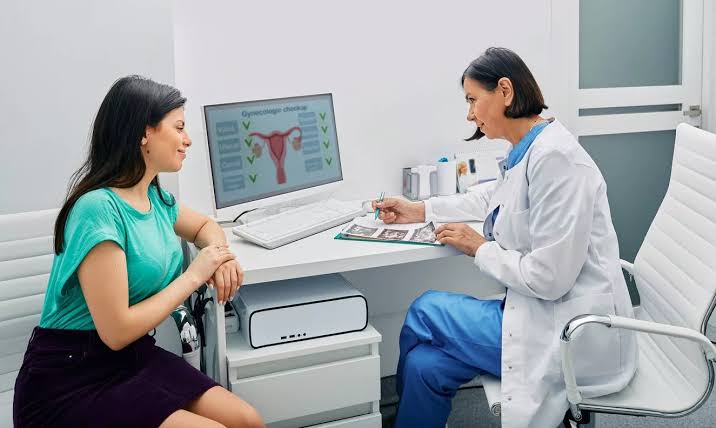
Low AMH Explained- if you've recently received your Anti-Müllerian Hormone (AMH) test results and discovered that your levels are lower than expected, it's completely natural to have questions about what this means for your fertility. One of the first concerns many women have is, "Can I still get pregnant naturally, or will I need IVF?" While a low AMH level may indicate a reduced ovarian reserve, it does not necessarily mean that pregnancy is impossible.
Understanding your AMH levels is an important step in evaluating fertility, but it is only one piece of a much larger picture. Fertility depends on several factors, including age, egg quality, ovulation, reproductive health and even your partner's fertility. Many women with low AMH have conceived naturally, while others have achieved successful pregnancies through fertility treatments such as In Vitro Fertilization (IVF).
In recent years, AMH testing has become one of the most commonly used tools in fertility assessment because it helps fertility specialists estimate a woman's ovarian reserve. However, there are still many misconceptions surrounding low AMH. Some people mistakenly believe that a low AMH level automatically means infertility or that IVF will not work. Fortunately, medical research and clinical experience show that this is far from the truth. Even women with significantly reduced ovarian reserve can still have healthy pregnancies with the right guidance and timely treatment.
This comprehensive guide explains everything you need to know about low AMH, including what the hormone measures, why AMH levels matter, the causes of low AMH, whether natural pregnancy is still possible and how IVF can improve your chances of having a baby. We'll also discuss available treatment options, lifestyle recommendations, common myths and when it's time to seek professional fertility advice.
At Vardhan IVF Center, we understand that every fertility journey is unique. Our experienced fertility specialists take a personalized approach by evaluating your complete reproductive health rather than relying on a single hormone test. Whether you are just beginning to explore your fertility or considering advanced treatments like IVF, having accurate information can help you make confident and informed decisions about your future.
Let's begin by understanding what AMH is and why it plays such an important role in female fertility.
What Is AMH (Anti-Müllerian Hormone)?
Anti-Müllerian Hormone, commonly known as AMH, is a hormone produced by small follicles inside a woman's ovaries. These tiny follicles contain immature eggs that have the potential to develop and mature during future menstrual cycles. Because AMH is produced by these developing follicles, the hormone serves as an important indicator of the number of eggs remaining in the ovaries, often referred to as ovarian reserve.
Unlike many reproductive hormones that fluctuate throughout the menstrual cycle, AMH levels remain relatively stable. This means that an AMH blood test can usually be performed on almost any day of the menstrual cycle, making it a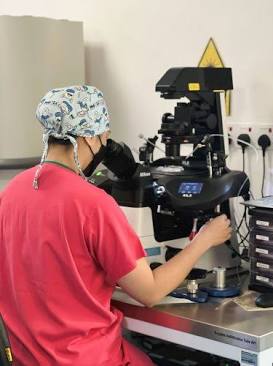
convenient and reliable tool for fertility evaluation.
It's important to understand that AMH does not count the exact number of eggs you have. Instead, it provides an estimate of your ovarian reserve by measuring hormone levels produced by the follicles. This information helps fertility specialists understand how your ovaries may respond to fertility treatments, particularly IVF.
Generally speaking:
- Higher AMH levels often indicate a larger ovarian reserve.
- Average AMH levels suggest a normal ovarian reserve for your age.
- Lower AMH levels may indicate a reduced ovarian reserve.
- Very low or undetectable AMH levels can suggest significantly diminished ovarian reserve, although pregnancy may still be possible.
One of the biggest misconceptions about AMH is that it predicts whether you can become pregnant naturally. In reality, AMH is not a direct measure of fertility. Instead, it estimates the quantity of eggs remaining in the ovaries. It does not evaluate the quality of those eggs, whether you are ovulating regularly, whether your fallopian tubes are open, or whether fertilization can occur successfully.
For example, a healthy woman in her early thirties with low AMH may still have excellent-quality eggs and conceive naturally. On the other hand, someone with a normal AMH level but poor egg quality or other fertility challenges may still have difficulty becoming pregnant. This is why fertility specialists never rely on AMH results alone when assessing reproductive health.
An AMH test is often recommended for women who are:
- Trying to conceive without success.
- Planning pregnancy later in life.
- Considering egg freezing.
- Preparing for IVF or other fertility treatments.
- Suspected of having reduced ovarian reserve.
- Undergoing a comprehensive fertility evaluation.
The results of an AMH test are typically interpreted alongside other important fertility assessments, including an Antral Follicle Count (AFC) ultrasound, Follicle-Stimulating Hormone (FSH) levels, luteinizing hormone (LH), estradiol testing, menstrual history, age and your overall reproductive health. Looking at all these factors together provides a much clearer understanding of fertility potential than any single test alone.
Ultimately, AMH is best viewed as a valuable diagnostic tool rather than a definitive answer about your ability to conceive. Understanding what your AMH level means and what it does not mean can help you make informed decisions about family planning and fertility treatment.
What Does Low AMH Mean?
Receiving a low AMH test result can be concerning, especially if you're planning to start or grow your family. However, it's important to understand exactly what this result indicates before jumping to conclusions. Low AMH Explained in simple terms means that your ovaries may have a reduced ovarian reserve, which refers to the number of eggs remaining in your ovaries. It does not automatically mean that you are infertile or that pregnancy is impossible.
Every woman is born with a finite number of eggs. This number gradually decreases throughout life due to the natural aging process. As the egg reserve declines, AMH levels also decrease because fewer small follicles remain in the ovaries to produce the hormone. Therefore, low AMH is often associated with diminished ovarian reserve, but it is only one part of a comprehensive fertility assessment.
Many women assume that a low AMH level directly reflects poor fertility, but fertility is far more complex. A successful pregnancy depends on multiple factors, including egg quality, ovulation, fallopian tube health, uterine health, sperm quality, hormonal balance and overall reproductive health. A woman with a lower egg reserve may still release healthy eggs and conceive naturally or with fertility treatment.
One of the reasons fertility specialists emphasize early evaluation is that ovarian reserve cannot be restored once it declines. While treatments cannot increase the number of eggs in the ovaries, modern fertility medicine can help maximize the chances of conception by making the best use of the remaining eggs.
For women who receive a low AMH diagnosis, the next steps usually involve additional fertility testing rather than immediate IVF. A fertility specialist will consider your age, ultrasound findings, hormone levels, menstrual history, medical history and reproductive goals before recommending an appropriate treatment plan.
What Is Considered a Low AMH Level?
AMH levels are measured through a simple blood test, but interpreting the results requires medical expertise. Different laboratories may use slightly different reference ranges, so your fertility specialist will interpret your results based on the laboratory standards, your age and your overall fertility evaluation.
In general, AMH levels are often interpreted as follows:
| AMH Level | General Interpretation |
|---|---|
| Above 3.0 ng/mL | High ovarian reserve |
| 1.0–3.0 ng/mL | Normal ovarian reserve |
| 0.7–0.9 ng/mL | Slightly reduced ovarian reserve |
| Below 0.7 ng/mL | Low ovarian reserve |
| Below 0.3 ng/mL | Severely diminished ovarian reserve |
These ranges serve only as general guidelines and should never be used for self-diagnosis. A woman with an AMH level below 1.0 ng/mL may still conceive naturally, while another woman with a normal AMH level may experience infertility due to other underlying conditions.
Age also plays a significant role in interpreting AMH results. For example, an AMH level that is considered normal for a woman in her early forties may be considered unusually low for someone in her late twenties. This is why fertility specialists always evaluate AMH alongside age and other diagnostic findings.
Does Low AMH Mean Infertility?
One of the most common myths surrounding fertility is that low AMH equals infertility. Fortunately, this is not true.
Low AMH simply indicates that there may be fewer eggs remaining in the ovaries. It does not determine whether those eggs are healthy enough for fertilization or whether pregnancy is possible.
In fact, many women with low AMH continue to ovulate regularly every month. As long as ovulation occurs and a healthy egg is released, natural conception remains possible. This is especially true for younger women, whose egg quality is often better despite having a reduced ovarian reserve.
Studies have shown that AMH is a stronger predictor of how the ovaries may respond to IVF stimulation than of a woman's ability to conceive naturally. Women with low AMH may produce fewer eggs during IVF treatment, but even retrieving a small number of healthy eggs can result in successful embryo development and pregnancy.
Rather than viewing low AMH as a definitive diagnosis of infertility, it should be considered a signal to seek timely medical advice and discuss available reproductive options.
What Causes Low AMH?
Several factors can contribute to low AMH levels. Some are part of the natural aging process, while others are linked to medical conditions, previous treatments, or lifestyle influences. Understanding the cause can help fertility specialists recommend the most appropriate management plan.
1. Natural Aging
The most common cause of low AMH is age.
Women are born with all the eggs they will ever have and this reserve gradually declines over time. Fertility typically begins to decrease after the age of 30, with a more noticeable decline after 35. As ovarian reserve diminishes, AMH levels naturally fall as well.
Although age-related decline is unavoidable, early fertility assessment allows women to make informed decisions about family planning and treatment options.
2. Endometriosis
Endometriosis is a condition in which tissue similar to the uterine lining grows outside the uterus. In some women, ovarian endometriomas (commonly called "chocolate cysts") can affect ovarian tissue and reduce ovarian reserve.
Additionally, surgical treatment for endometriosis may sometimes remove healthy ovarian tissue along with the cyst, which can contribute to lower AMH levels. Careful surgical planning and fertility preservation discussions are therefore important for women with endometriosis.
3. Previous Ovarian Surgery
Any surgical procedure involving the ovaries has the potential to affect ovarian reserve.
Examples include surgery for:
- Ovarian cysts
- Endometriomas
- Benign ovarian tumors
- Ovarian torsion
- Other gynecological conditions
While surgery is often necessary, preserving as much healthy ovarian tissue as possible is an important consideration, particularly for women who wish to conceive in the future.
4. Premature Ovarian Insufficiency (POI)
Premature Ovarian Insufficiency, sometimes called premature ovarian failure, occurs when ovarian function declines before the age of 40.
Women with POI often experience:
- Irregular or absent periods
- Reduced estrogen levels
- Difficulty conceiving
- Very low AMH levels
Although spontaneous pregnancy is still possible in some cases, early diagnosis allows patients to explore fertility preservation or assisted reproductive options.
5. Genetic Factors
Certain inherited conditions may influence ovarian reserve.
Women with a family history of early menopause or genetic disorders affecting ovarian function may naturally experience lower AMH levels at a younger age.
Discussing family history during fertility evaluation helps identify women who may benefit from earlier fertility assessment.
6. Chemotherapy and Radiation Therapy
Cancer treatments such as chemotherapy and pelvic radiation can damage ovarian follicles, sometimes leading to a significant decline in ovarian reserve.
Whenever possible, fertility preservation methods such as egg freezing or embryo freezing should be discussed before starting cancer treatment.
7. Autoimmune Disorders
Some autoimmune diseases may affect ovarian function by causing the immune system to mistakenly attack ovarian tissue.
Although relatively uncommon, autoimmune-related ovarian damage can contribute to reduced ovarian reserve and lower AMH levels.
8. Lifestyle and Environmental Factors
While lifestyle alone does not usually cause dramatically low AMH levels, certain habits may negatively influence reproductive health over time.
These include:
- Smoking
- Excessive alcohol consumption
- Obesity
- Poor nutrition
- Chronic stress
- Exposure to environmental toxins
Adopting a healthier lifestyle cannot restore lost ovarian reserve, but it may improve overall reproductive health and support fertility treatment outcomes.
Symptoms of Low AMH
One of the most challenging aspects of low AMH is that it often has no obvious symptoms. Most women feel completely healthy and continue having regular menstrual cycles, making it impossible to detect low ovarian reserve without fertility testing.
In many cases, low AMH is discovered only after a woman seeks medical advice because she has difficulty becoming pregnant or is undergoing a fertility evaluation.
Some women may experience signs that are associated with declining ovarian reserve, although these symptoms are not specific to low AMH itself. They may include:
- Difficulty conceiving despite regular attempts.
- Shorter menstrual cycles.
- Changes in menstrual flow.
- Irregular ovulation in some cases.
- Family history of early menopause.
- Previous ovarian surgery or treatment for endometriosis.
Because these symptoms can occur for many different reasons, an AMH blood test combined with other fertility investigations remains the most reliable way to assess ovarian reserve.
How Is Low AMH Diagnosed?
A low AMH level cannot be diagnosed based on symptoms alone. Since most women with low ovarian reserve continue to have regular menstrual cycles and may not experience any noticeable changes, fertility specialists rely on a combination of diagnostic tests to evaluate reproductive health. An AMH blood test is one of the most valuable tools in this assessment, but it is never interpreted in isolation.
A comprehensive fertility evaluation helps determine not only the quantity of eggs remaining in the ovaries but also other factors that influence the chances of conception. At Vardhan IVF Center, fertility specialists assess your complete reproductive profile before recommending any treatment, ensuring that every patient receives a personalized care plan.
AMH Blood Test
The Anti-Müllerian Hormone (AMH) blood test measures the level of AMH circulating in your bloodstream. Because AMH is produced by the small follicles within the ovaries, the hormone level provides an estimate of your ovarian reserve.
Unlike hormones such as FSH or LH, AMH levels remain relatively stable throughout the menstrual cycle. This means the blood test can usually be performed on almost any day, making it one of the most convenient fertility investigations available.
The test itself is simple, requiring only a small blood sample. Results are typically available within a few days, depending on the laboratory.
Although AMH is an excellent marker of ovarian reserve, it does not measure:
- Egg quality
- Ovulation
- Ability to become pregnant naturally
- Uterine health
- Fallopian tube function
- Male fertility
For this reason, AMH should always be interpreted alongside other fertility tests.
Antral Follicle Count (AFC)
Another important investigation is the Antral Follicle Count (AFC). This ultrasound examination counts the small follicles present in both ovaries at the beginning of the menstrual cycle.
Since each antral follicle contains an immature egg, the total follicle count provides another estimate of ovarian reserve. Women with a higher AFC generally have a greater number of eggs available for future development, while those with fewer follicles may have a diminished ovarian reserve.
When combined with AMH testing, AFC gives fertility specialists a much clearer understanding of ovarian function and expected response to fertility medications.
Follicle-Stimulating Hormone (FSH)
FSH is another hormone commonly measured during fertility evaluations. It stimulates ovarian follicles to mature during each menstrual cycle.
Higher-than-normal FSH levels may indicate that the ovaries require stronger hormonal stimulation to develop eggs, which can suggest declining ovarian reserve.
FSH is usually tested early in the menstrual cycle because hormone levels fluctuate throughout the month.
Luteinizing Hormone (LH) and Estradiol
LH plays a key role in triggering ovulation, while estradiol is one of the primary forms of estrogen produced by the ovaries.
Together with AMH and FSH, these hormone tests provide valuable insight into ovarian function, menstrual health and overall reproductive status.
Pelvic Ultrasound
A pelvic ultrasound allows fertility specialists to examine the reproductive organs in detail. The scan helps evaluate:
- Ovarian size
- Number of follicles
- Uterine structure
- Endometrial lining
- Ovarian cysts
- Fibroids
- Signs of endometriosis
Ultrasound findings are particularly useful when planning fertility treatments such as IVF.
Additional Fertility Investigations
Depending on your medical history, your doctor may also recommend:
- Thyroid function tests
- Prolactin levels
- Vitamin D assessment
- Hysterosalpingography (HSG) to evaluate fallopian tube patency
- Semen analysis for the male partner
- Genetic testing in selected cases
These investigations help identify any additional factors that may affect fertility, allowing for a more accurate diagnosis and individualized treatment strategy.
Can You Get Pregnant Naturally with Low AMH?
This is undoubtedly the question that concerns most women after receiving a low AMH result.
The reassuring answer is yes, many women with low AMH conceive naturally.
A low AMH level indicates a reduced number of eggs, but it does not necessarily mean that the remaining eggs are incapable of being fertilized. Pregnancy depends on releasing a healthy egg during ovulation, successful fertilization, embryo implantation and a healthy uterine environment. As long as these conditions are met, natural conception remains possible.
Several clinical studies have shown that AMH is a reliable predictor of ovarian response during IVF but a much weaker predictor of natural pregnancy. In other words, AMH tells doctors how many eggs the ovaries may produce during fertility treatment not whether a woman can become pregnant naturally.
Age Matters More Than AMH
When discussing fertility, age is often a more significant factor than AMH alone.
A younger woman with low AMH may still have healthy, genetically normal eggs capable of producing a successful pregnancy. In contrast, an older woman with a normal AMH level may experience reduced egg quality due to age-related chromosomal changes.
For example:
- A 30-year-old woman with low AMH may still have an excellent chance of natural conception.
- A 41-year-old woman with normal AMH may face greater fertility challenges because egg quality naturally declines with age.
This is why fertility specialists consider both ovarian reserve and age when discussing treatment options.
Egg Quantity vs. Egg Quality
One of the most common misconceptions is that low AMH means poor-quality eggs.
In reality, AMH primarily reflects egg quantity, not egg quality.
Think of your ovaries as a library. AMH tells you approximately how many books remain on the shelves, but it doesn't tell you whether those books contain valuable information. Even if only a few books are left, they may still be excellent.
Similarly, a woman with fewer eggs may still produce healthy eggs capable of fertilization and pregnancy.
This distinction is especially encouraging for younger women diagnosed with low ovarian reserve.
Factors That Influence Natural Pregnancy
Whether pregnancy occurs naturally depends on much more than AMH alone. Important factors include:
Regular Ovulation
If you release an egg each month, natural conception remains possible.
Healthy Fallopian Tubes
The egg and sperm must meet inside an open fallopian tube for fertilization to occur.
Good Egg Quality
Healthy eggs are more likely to be fertilized and develop into healthy embryos.
Healthy Sperm
Male fertility contributes to nearly half of all infertility cases. A semen analysis is therefore an important part of fertility evaluation.
Healthy Uterus
A normal uterine cavity and healthy endometrial lining improve the chances of successful implantation.
Overall Health
Maintaining a healthy weight, eating a balanced diet, exercising regularly, managing stress and avoiding smoking all support reproductive health.
When Should You Consider Fertility Treatment?
Although natural pregnancy remains possible for many women with low AMH, delaying evaluation may reduce future treatment options, particularly if ovarian reserve continues to decline.
You should consider consulting a fertility specialist if:
- You are under 35 and have been trying to conceive for 12 months without success.
- You are 35 or older and have been trying for six months.
- You have experienced recurrent miscarriages.
- Your AMH level is significantly below the expected range for your age.
- You have endometriosis or previous ovarian surgery.
- Your menstrual cycles have become irregular.
- You have a family history of early menopause.
Seeking advice early does not necessarily mean you need IVF immediately. In many cases, lifestyle guidance, ovulation monitoring, or less invasive fertility treatments may be appropriate.
Expert Advice: Don't Panic After a Low AMH Result
One of the biggest mistakes women make after receiving a low AMH report is assuming that motherhood is no longer possible. While a low ovarian reserve deserves attention, it should not be viewed as the final verdict on your fertility.
The most important step is to seek an evaluation from an experienced fertility specialist who can interpret your AMH result in the context of your age, ultrasound findings, hormone profile and overall reproductive health.
At Vardhan IVF Center, every treatment plan is personalized because no two fertility journeys are the same. Rather than focusing on a single laboratory value, specialists evaluate the complete clinical picture to recommend the most effective path toward achieving pregnancy.
For many women, early assessment provides more treatment choices, better planning opportunities and greater confidence in making informed decisions about their reproductive future.
Low AMH and IVF: Can IVF Still Be Successful?
One of the most common concerns women have after receiving a low AMH diagnosis is whether IVF is still worth considering. The encouraging answer is yes. A low AMH level does not automatically mean IVF will fail. While it may indicate that the ovaries are likely to produce fewer eggs during stimulation, many women with low AMH achieve successful pregnancies through In Vitro Fertilization (IVF).
The primary goal of IVF is not simply to retrieve a large number of eggs it is to obtain healthy eggs that can be fertilized and develop into viable embryos. Even if only a few eggs are collected, one high-quality embryo may be enough to result in a healthy pregnancy.
Why IVF Is Recommended for Women with Low AMH
Women with low ovarian reserve often have less time to conceive naturally because the number of available eggs continues to decline with age. IVF helps maximize the chances of pregnancy by collecting multiple eggs in a single treatment cycle before ovulation occurs naturally.
During IVF treatment, fertility medications stimulate the ovaries to mature several follicles simultaneously. The eggs are then retrieved, fertilized with sperm in a specialized laboratory and the healthiest embryo is transferred into the uterus.
At Vardhan IVF Center, treatment protocols are carefully customized based on each patient's age, AMH level, ovarian reserve and medical history. This individualized approach helps optimize ovarian response and improve the likelihood of a successful pregnancy.
What Factors Affect IVF Success with Low AMH?
Although AMH is an important consideration, IVF success depends on many factors working together.
Age
Age is one of the strongest predictors of IVF success. Younger women generally produce healthier eggs, even when their AMH level is low.
Egg Quality
Healthy eggs are more likely to produce chromosomally normal embryos capable of implantation and healthy fetal development.
Embryo Quality
Advances in embryology now allow fertility specialists to monitor embryo development closely and select the most promising embryo for transfer.
Sperm Quality
Male fertility is equally important. A healthy sperm sample increases the likelihood of successful fertilization and embryo development.
Uterine Health
A receptive uterine lining and normal uterine cavity improve implantation rates.
Fertility Clinic Experience
The expertise of fertility specialists, embryologists and laboratory technology can significantly influence treatment outcomes.
Other Fertility Treatment Options
Not every woman with low AMH requires IVF immediately. Depending on your age, fertility goals and overall reproductive health, your doctor may recommend other treatment options before moving to IVF.
Ovulation Monitoring
For women who ovulate regularly and have no additional fertility issues, carefully tracking ovulation can improve the timing of natural conception.
Fertility Medications
Certain medications may stimulate ovulation or support follicular development, increasing the chance of pregnancy in selected patients.
Intrauterine Insemination (IUI)
IUI involves placing specially prepared sperm directly into the uterus around the time of ovulation. It may be recommended when sperm quality is mildly reduced or when unexplained infertility is present.
Egg Freezing
Women diagnosed with declining ovarian reserve who are not yet ready for pregnancy may consider egg freezing to preserve fertility for the future.
Donor Egg IVF
For women with extremely diminished ovarian reserve or repeated IVF failure, donor egg IVF may offer the highest chance of achieving pregnancy. Your fertility specialist will discuss whether this option is appropriate based on your individual circumstances.
Lifestyle Changes That May Support Fertility
Although lifestyle changes cannot increase ovarian reserve or reverse low AMH, they can improve overall reproductive health and support fertility treatment outcomes.
Helpful habits include:
- Eating a balanced diet rich in fruits, vegetables, whole grains, lean proteins and healthy fats.
- Maintaining a healthy body weight.
- Exercising regularly without overtraining.
- Getting adequate sleep each night.
- Managing stress through mindfulness, yoga, or relaxation techniques.
- Avoiding smoking and limiting alcohol intake.
- Reducing exposure to environmental toxins where possible.
- Taking supplements only under medical guidance.
Healthy lifestyle choices contribute to overall well-being and may create a more favorable environment for conception.
Foods That Support Fertility
No specific food can raise AMH levels, but nutrient-rich foods support reproductive health.
Consider including:
- Leafy green vegetables
- Citrus fruits
- Berries
- Avocados
- Eggs
- Salmon and other oily fish
- Nuts and seeds
- Beans and lentils
- Greek yogurt
- Whole grains
- Olive oil
Staying hydrated and minimizing highly processed foods may also benefit overall health during fertility treatment.
Common Myths About Low AMH
Myth: Low AMH Means You Cannot Get Pregnant.
Fact: Many women with low AMH conceive naturally or through fertility treatment.
Myth: AMH Measures Egg Quality.
Fact: AMH estimates egg quantity, not egg quality.
Myth: IVF Never Works with Low AMH.
Fact: IVF can be highly successful, particularly for younger women with healthy eggs.
Myth: AMH Is the Only Fertility Test That Matters.
Fact: Fertility specialists evaluate age, ovarian reserve, hormone levels, ultrasound findings, uterine health, fallopian tubes and sperm quality together.
Myth: There Is a Supplement That Can Restore AMH.
Fact: No supplement has been proven to restore ovarian reserve. Always consult a fertility specialist before taking fertility supplements.
Why Choose Vardhan IVF Center?
Choosing the right fertility clinic can make a meaningful difference in your fertility journey. At Vardhan IVF Center, every patient receives compassionate, individualized care supported by modern reproductive technology and experienced fertility specialists.
Our approach includes:
- Comprehensive fertility evaluations
- Personalized treatment plans
- Advanced IVF laboratory facilities
- Evidence-based medical care
- Transparent communication
- Continuous emotional support
- Individualized ovarian stimulation protocols
- Modern embryo culture techniques
- Experienced embryologists
- Patient-centered care from consultation to pregnancy
We believe that every fertility journey is unique and our goal is to help patients make informed decisions while providing the highest standard of reproductive care.
Frequently Asked Questions
Can I get pregnant naturally with low AMH?
Yes. Many women with low AMH conceive naturally, especially if they are younger, ovulate regularly and have no other fertility problems.
Does low AMH mean infertility?
No. Low AMH indicates reduced ovarian reserve but does not confirm infertility.
Can IVF work if my AMH is very low?
Yes. Many women with very low AMH achieve successful pregnancies through IVF, although treatment plans may need to be individualized.
Does AMH affect egg quality?
No. AMH mainly reflects the number of eggs remaining rather than their quality.
Can AMH levels increase naturally?
AMH generally declines with age and cannot usually be increased. Treatment focuses on improving pregnancy outcomes rather than raising AMH levels.
Should I freeze my eggs if I have low AMH?
Depending on your age and reproductive goals, your fertility specialist may recommend egg freezing before ovarian reserve declines further.
Can lifestyle changes improve fertility?
Healthy habits support overall reproductive health, although they cannot restore lost ovarian reserve.
Is low AMH common?
Yes. Low AMH becomes increasingly common with age but may also occur in younger women due to other medical factors.
How soon should I see a fertility specialist?
Women under 35 should seek evaluation after one year of trying to conceive, while women 35 or older should seek help after six months.
What is the best treatment for low AMH?
The best treatment depends on your age, fertility history, ovarian reserve and overall reproductive health. A personalized evaluation is essential.
Understanding Your Fertility Options
A diagnosis of low AMH can feel overwhelming, but it is important to remember that it does not define your ability to become a parent. While low AMH indicates a reduced ovarian reserve, it does not determine egg quality or eliminate the possibility of pregnancy. Many women conceive naturally, while others achieve successful outcomes through treatments such as IVF.
The key is early evaluation, timely intervention and personalized care. Rather than relying on a single hormone level, fertility specialists consider your complete reproductive health to recommend the most appropriate treatment plan.
If you have recently received a low AMH diagnosis or have concerns about your fertility, consulting the experienced team at Vardhan IVF Center can help you better understand your options and take the next step with confidence. With advanced fertility treatments, compassionate care and individualized treatment strategies, your journey toward parenthood can begin with hope and informed decision-making.